001 Can We Really Slow Aging or Reverse Aging? Exploring the Science Behind Longevity
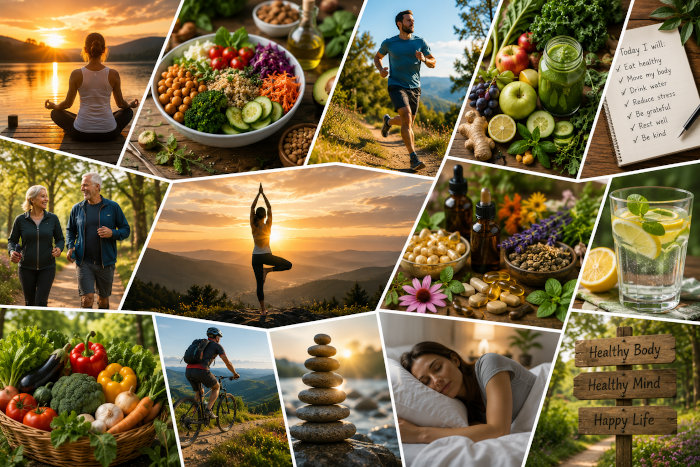
Aging is something we all experience, but how we age may be more flexible than many of us once thought.
The idea of slowing aging — or even reversing aspects of aging — has moved from science fiction into mainstream conversation. Researchers are studying biological age, cellular health, inflammation, metabolism, gut health, sleep, exercise, and many other factors that may influence how well we age.
Why This Topic Caught Our Attention
Longevity is everywhere right now. Podcasts, documentaries, books, supplements, fitness programs, and research headlines all seem to be asking a similar question:
Can we do more than simply get older? Can we age better?
That question is both exciting and easy to misunderstand. Some claims around “reverse aging” can sound too bold. At the same time, there is serious research suggesting that lifestyle, environment, nutrition, movement, sleep, stress, and social connection may all play meaningful roles in healthy aging.
That makes this a perfect first topic for Zehr.ws.
Healthy Aging vs. Reverse Aging
One helpful distinction is the difference between chronological age and biological age.
Chronological age is simple: how many years we have been alive.
Biological age is more complex. It asks how our body is functioning compared with what might be expected at a given age. Two people can both be 60 years old, but one may have better mobility, strength, energy, metabolic health, and resilience than the other.
This is where the conversation becomes interesting. Even if we cannot literally turn back the calendar, we may be able to influence some of the factors connected with how we age.
What Scientists Are Studying
Aging is not caused by one single thing. It appears to involve many overlapping biological processes. Researchers often discuss areas such as:
- Cellular damage
- Chronic inflammation
- Mitochondrial function
- DNA and epigenetic changes
- Metabolic health
- Cellular senescence
- Stem cell exhaustion
- Gut health and microbiome changes
- Loss of muscle and strength
That list may sound technical, but the basic idea is simple: aging affects many systems at once. That also means healthy aging may require a broad approach rather than one magic solution.
Can We Actually Slow Aging?
This is where the topic becomes hopeful.
While “reverse aging” can be a loaded phrase, there is growing interest in the idea that certain habits may support healthier aging. These include familiar but powerful areas such as:
- Regular physical activity
- Strength training and muscle preservation
- Good sleep
- Healthy nutrition
- Maintaining metabolic health
- Stress management
- Time outdoors and natural light
- Social connection
- Purpose, curiosity, and continued learning
None of these are flashy. None of them are magic. But together, they may shape how well we function over time.
What About “Reverse Aging”?
The phrase “reverse aging” gets attention, but it should be used carefully.
Some researchers are studying biological markers of aging, including epigenetic clocks and other measurements that may estimate biological age. Others are studying areas such as senescent cells, nutrient-sensing pathways, fasting, regenerative medicine, and cellular repair.
These areas are fascinating, but many are still developing. Some research is early. Some is promising. Some may not translate easily from lab studies to real human life.
For most of us, the more practical question may be:
What can we learn from longevity research that helps us live stronger, healthier, and more intentionally right now?
A Practical Way to Think About Longevity
Instead of chasing the idea of living forever, we may want to focus on something more meaningful:
- More years with energy
- More years with mobility
- More years with strength
- More years with mental clarity
- More years with purpose
- More years doing the things we value
That is where longevity becomes less about hype and more about quality of life.
Questions Worth Exploring
This topic opens many good questions for future Zehr.ws articles:
- How much does Vitamin D matter for healthy aging?
- What role does gut health play in inflammation and longevity?
- Can strength training help preserve youthfulness?
- How important is sleep for biological aging?
- Do stress and cortisol accelerate aging?
- Can walking, stretching, and daily movement make a measurable difference?
- Are some supplements useful, or are claims ahead of the evidence?
- What can we learn from people and communities known for long life?
Our Takeaway
The idea of reverse aging is fascinating, but the stronger message may be this:
We may not be able to stop time, but we may be able to influence how we move through it.
Healthy aging is not about perfection. It is about curiosity, awareness, and small choices that can add up over time.
That is the spirit of Zehr.ws: exploring health, longevity, and better living — not with fear, pressure, or promises, but with thoughtful learning and a desire to live well.
This article is for educational and inspirational purposes only. It is not medical advice. Always speak with a qualified health professional about personal health decisions, medical conditions, supplements, treatments, or major lifestyle changes.

Exploring Health, Longevity, and Better Living
Zehr.ws