028 Whole Foods Boot Camp: What to Eat, How to Prepare It, and How to Make It a Habit
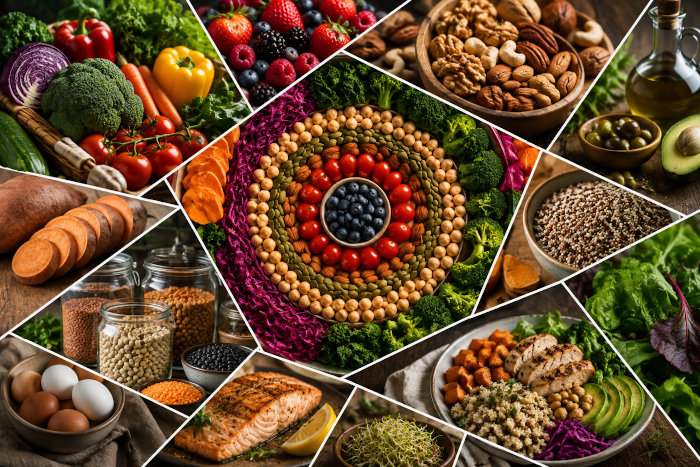
Most of us have heard the advice:
Eat more whole foods.
It sounds simple, but it immediately raises several questions.
- What exactly counts as a whole food?
- Which foods should we buy?
- How should we prepare them?
- How do we make them taste good?
- Do frozen and canned foods count?
- How can we eat better without spending every evening in the kitchen?
This Whole Foods Boot Camp is designed to answer those questions.
The goal is not dietary perfection. It is to build a practical collection of foods, cooking methods, and everyday habits that make nutritious eating easier.
What Is a Whole Food?
A whole food remains close to the form in which it grew, lived, or was harvested.
Examples include:
- Apples
- Blueberries
- Carrots
- Broccoli
- Potatoes
- Oats
- Brown rice
- Beans
- Lentils
- Eggs
- Fish
- Chicken
- Nuts
- Seeds
A food does not have to be completely untouched to remain a healthy choice. Washing, chopping, freezing, drying, cooking, fermenting, grinding, or canning are all forms of processing.
Frozen blueberries, canned beans, plain yogurt, rolled oats, natural peanut butter, and frozen vegetables are processed foods, but they can still fit very well within a whole-food eating pattern.
The more useful question is often not:
“Has this food been processed?”
It is:
“How much has been added, removed, or changed?”
Whole, Minimally Processed, and Ultra-Processed
Whole or Nearly Whole Foods
- Fresh fruits and vegetables
- Eggs
- Beans and lentils
- Plain nuts and seeds
- Fish and unprocessed meats
- Brown rice, barley, oats, and other intact grains
Minimally Processed Foods
- Frozen vegetables without heavy sauces
- Frozen fruit without added sugar
- Canned beans
- Canned tomatoes
- Plain yogurt
- Whole-grain bread
- Nut butter containing nuts and perhaps a little salt
- Canned fish
- Precut vegetables
Highly or Ultra-Processed Foods
These are often manufactured combinations of refined starches, sugars, fats, flavorings, colors, preservatives, and other ingredients.
Examples may include:
- Sugary soft drinks
- Packaged cakes and pastries
- Candy
- Many sweetened breakfast cereals
- Some frozen dinners
- Highly processed meat products
- Many chips and packaged snack foods
This does not mean that eating one cookie or frozen meal ruins an otherwise healthy diet. The goal is to make whole and minimally processed foods the foundation rather than the exception.
Why Whole Foods Matter
Whole foods tend to deliver nutrients in combinations that work together.
An apple provides more than sugar and vitamin C. It also contains water, fiber, and a variety of naturally occurring plant compounds.
Beans provide more than protein. They also contain fiber, minerals, and complex carbohydrates.
Nuts provide more than fat. They can also supply protein, fiber, vitamins, minerals, and satisfying texture.
When we regularly eat a varied collection of whole foods, we receive a broad nutritional package that is difficult to reproduce with a single pill, powder, or isolated nutrient.
Boot Camp Rule One: Build the Plate
A simple way to organize a meal is to picture the plate in three broad sections.
- About half: vegetables and fruit, with an emphasis on vegetables
- About one quarter: a protein source
- About one quarter: a whole grain or starchy vegetable
This does not need to be measured precisely. It is a visual guide, not a rigid formula.
A plate might include:
- Roasted broccoli and carrots
- Chicken, fish, eggs, tofu, or beans
- Brown rice, barley, quinoa, corn, or a baked potato
A mixed meal such as soup, chili, stew, or a grain bowl may combine all three parts in one dish.
Boot Camp Rule Two: Eat a Variety of Colors
Different plant colors often represent different families of natural compounds. Eating a range of colors is a simple way to encourage dietary variety.
Green
- Broccoli
- Spinach
- Kale
- Green beans
- Peas
- Brussels sprouts
Red
- Tomatoes
- Red peppers
- Strawberries
- Raspberries
- Watermelon
Orange and Yellow
- Carrots
- Sweet potatoes
- Winter squash
- Oranges
- Peaches
Blue and Purple
- Blueberries
- Blackberries
- Purple cabbage
- Eggplant
- Plums
White and Brown
- Onions
- Garlic
- Mushrooms
- Cauliflower
- Beans
- Oats
Color is not a competition. Onions, garlic, mushrooms, cauliflower, beans, and oats may not be brightly colored, but they remain valuable foods.
The Vegetable Training Ground
Vegetables are easier to eat regularly when we learn several preparation methods.
Roasting
Roasting concentrates flavor and brings out natural sweetness.
Good choices include:
- Broccoli
- Cauliflower
- Carrots
- Brussels sprouts
- Onions
- Peppers
- Squash
- Sweet potatoes
Cut the vegetables into similar-sized pieces, lightly coat them with oil, add herbs or spices, and roast until tender and browned around the edges.
Steaming
Steaming is fast and works well for:
- Broccoli
- Green beans
- Carrots
- Peas
- Cauliflower
Avoid cooking them until they become colorless and mushy. Tender with a little texture is usually more appealing.
Sautéing
A skillet can turn vegetables into a quick side dish or the beginning of a complete meal.
Try sautéing:
- Onions and peppers
- Mushrooms and spinach
- Cabbage and carrots
- Zucchini and tomatoes
- Garlic with leafy greens
Soups and Stews
Soups make it easy to combine vegetables, beans, whole grains, herbs, and protein in one pot.
Useful additions include:
- Carrots
- Celery
- Onions
- Tomatoes
- Cabbage
- Beans
- Lentils
- Barley
- Brown rice
Raw
Some vegetables are excellent without cooking.
- Carrot sticks
- Bell-pepper slices
- Cucumber
- Cherry tomatoes
- Celery
- Cabbage slaw
Keeping washed and cut vegetables visible in the refrigerator makes them much more likely to be eaten.
Fruit: Nature’s Convenient Food
Whole fruit is one of the easiest foods to include because it usually requires little or no preparation.
Good everyday choices include:
- Apples
- Bananas
- Oranges
- Pears
- Berries
- Peaches
- Plums
- Melons
Fruit can be:
- Eaten as a snack
- Added to oatmeal
- Mixed into plain yogurt
- Added to a salad
- Blended into a smoothie that retains the whole fruit
- Frozen for later use
Whole fruit usually offers more fiber and satisfaction than juice. Juice is easy to consume quickly and may deliver several pieces of fruit without the fullness that normally accompanies eating them.
Beans and Lentils: The Boot Camp Workhorses
Beans and lentils are among the most useful foods in a whole-food kitchen. They are affordable, filling, versatile, and easy to store.
Good Choices
- Black beans
- Kidney beans
- Chickpeas
- Navy beans
- Pinto beans
- Great northern beans
- Red lentils
- Green or brown lentils
- Split peas
Easy Ways to Use Them
- Add beans to chili.
- Add chickpeas to salads.
- Use lentils in soup.
- Mash beans for a sandwich filling.
- Add black beans to rice bowls.
- Blend chickpeas into hummus.
- Combine beans with vegetables and herbs for a cold salad.
Canned beans are convenient. Draining and rinsing them can remove some of the sodium and the liquid in which they were packed.
Dried beans cost less per serving but require soaking or longer cooking. Both forms can be useful.
People who are not accustomed to eating much fiber may find it helpful to increase beans gradually and drink adequate water.
Whole Grains: Moving Beyond White Flour
A grain is considered whole when its major natural parts remain present.
Whole-grain choices include:
- Oats
- Barley
- Brown rice
- Wild rice
- Quinoa
- Buckwheat
- Millet
- Whole wheat
- Farro
- Corn
Simple Preparation Ideas
- Cook oatmeal with berries, nuts, and cinnamon.
- Use barley in vegetable soup.
- Build a bowl with brown rice, vegetables, and beans.
- Use quinoa as the base of a cold salad.
- Choose whole-grain bread for sandwiches.
- Mix brown and white rice while adjusting to the flavor and texture.
Whole-grain labels can be confusing. A brown color does not prove that a bread is whole grain. Looking for a whole grain near the beginning of the ingredient list is more useful than judging by color or advertising language.
Potatoes Are Whole Foods Too
Potatoes and sweet potatoes sometimes receive an unfair reputation because of the foods frequently made from them.
A baked potato is not nutritionally identical to a large serving of fries or potato chips.
Preparation matters.
Useful Methods
- Baking
- Boiling
- Roasting
- Mashing with modest additions
- Adding to soups and stews
Keep the skin when practical and enjoyable. Pair potatoes with vegetables and a protein source instead of allowing the entire meal to revolve around the potato.
Protein: More Than One Path
A whole-food eating pattern can include both plant and animal protein sources.
Plant Sources
- Beans
- Lentils
- Chickpeas
- Tofu
- Tempeh
- Nuts
- Seeds
Animal Sources
- Eggs
- Fish
- Chicken
- Turkey
- Plain yogurt
- Other minimally processed meats and dairy foods
Fish can be baked, grilled, broiled, poached, or added to salads. Eggs can become breakfast, a salad topping, or part of a vegetable-filled meal. Chicken can be cooked once and used in several dishes.
The best protein choice depends on personal needs, preferences, allergies, health conditions, budget, and cultural traditions.
Nuts and Seeds: Small Foods With a Big Role
Nuts and seeds are easy to store and require little preparation.
Choices include:
- Walnuts
- Almonds
- Pecans
- Pistachios
- Peanuts
- Pumpkin seeds
- Sunflower seeds
- Chia seeds
- Ground flaxseed
Ways to Use Them
- Add nuts to oatmeal.
- Sprinkle seeds over salads.
- Mix walnuts into plain yogurt.
- Use natural peanut or almond butter on fruit or whole-grain toast.
- Add ground flaxseed or chia seeds to oatmeal or smoothies.
Nuts are energy-dense, so a modest handful may be more practical than eating directly from a large container without noticing the amount.
Healthy Flavor Boot Camp
Whole foods do not have to be plain. Flavor is one of the keys to making healthy eating last.
Herbs
- Basil
- Parsley
- Rosemary
- Thyme
- Dill
- Cilantro
- Oregano
Spices
- Black pepper
- Cinnamon
- Paprika
- Cumin
- Turmeric
- Ginger
- Chili powder
Other Flavor Builders
- Onions
- Garlic
- Lemon or lime juice
- Vinegar
- Mustard
- Tomatoes
- Unsalted or lower-sodium broth
Learning to combine these ingredients can reduce dependence on heavy sauces, excess sugar, and excessive salt while making meals more interesting.
Frozen Foods Are Not Second Class
Frozen produce can be one of the best tools in the whole-food kitchen.
It is:
- Convenient
- Available year-round
- Often less likely to spoil
- Already washed and cut
- Easy to add to soups, skillets, oatmeal, and smoothies
Useful freezer staples include:
- Broccoli
- Green beans
- Peas
- Spinach
- Mixed vegetables
- Blueberries
- Mixed berries
Choose plain versions when possible rather than vegetables packaged with heavy sauces or fruit packed with added sugar.
Canned Foods Can Be Valuable
Canned foods are often economical and can make healthy meals possible when fresh food is unavailable or time is limited.
Useful Canned Foods
- Beans
- Lentils
- Tomatoes
- Pumpkin
- Tuna
- Salmon
- Sardines
- Vegetables without heavy sauces
- Fruit packed in water or its own juice
Compare labels when practical. Sodium, added sugar, and other ingredients can vary greatly among similar products.
The Whole Foods Pantry
A well-stocked pantry makes good decisions easier.
Keep on Hand
- Rolled oats
- Brown rice
- Barley or quinoa
- Canned beans
- Dried lentils
- Canned tomatoes
- Nuts and seeds
- Natural peanut butter
- Herbs and spices
- Olive oil or another preferred cooking oil
- Whole-grain bread or wraps
- Onions and garlic
Keep in the Refrigerator
- Eggs
- Plain yogurt
- Carrots
- Cabbage
- Leafy greens
- Apples or other fruit
- Cooked beans or grains
- Prepared vegetables
Keep in the Freezer
- Frozen vegetables
- Frozen berries
- Portioned fish or poultry
- Leftover soup or chili
- Cooked brown rice or other grains
Cook Once, Eat More Than Once
Whole-food eating becomes much easier when one cooking session produces ingredients for several meals.
For example, prepare:
- A pot of brown rice or barley
- A tray of roasted vegetables
- A batch of beans or lentils
- Several hard-boiled eggs
- Baked chicken or fish
These can become:
- A grain bowl
- A salad
- A soup
- A wrap
- A quick breakfast or lunch
- A vegetable and protein dinner
Cooking components rather than a single finished recipe allows the same foods to be used in different ways.
A Day of Whole-Food Meals
Breakfast
- Oatmeal with blueberries, walnuts, and cinnamon
Lunch
- Bean and vegetable soup with whole-grain bread
Snack
- An apple with natural peanut butter
Dinner
- Baked fish or beans
- Roasted broccoli and carrots
- Brown rice or a baked potato
Optional Dessert
- Plain yogurt with fruit
This is only an example. Whole-food meals can reflect any culture, budget, season, or personal preference.
A Simple Seven-Day Training Plan
Day One: Add a Vegetable
Add one vegetable to a meal that normally has none.
Day Two: Improve Breakfast
Try oatmeal, eggs with vegetables, plain yogurt with fruit, or another minimally processed breakfast.
Day Three: Eat Beans
Add beans or lentils to soup, salad, chili, or a grain bowl.
Day Four: Replace One Refined Grain
Try oats, brown rice, barley, quinoa, corn, or whole-grain bread.
Day Five: Prepare Food Ahead
Wash fruit, cut vegetables, cook a grain, or make a pot of soup.
Day Six: Build a Whole-Food Snack
Choose fruit, nuts, vegetables with hummus, yogurt, or a hard-boiled egg.
Day Seven: Make a Complete Plate
Combine vegetables, protein, and a whole grain or starchy vegetable in one meal.
Shopping Without Becoming Overwhelmed
Most whole-food shopping can be organized around a few categories:
- Two or three vegetables
- Two fruits
- One bean or lentil
- One whole grain
- One or two protein sources
- One nut or seed
- Several herbs, spices, or flavor builders
You do not need to buy every healthy food during every trip. Choose foods you know how to use and gradually add new ones.
Eating Well on a Budget
Whole-food eating does not require expensive specialty products.
Some of the most economical choices include:
- Oats
- Potatoes
- Carrots
- Cabbage
- Onions
- Dried beans
- Lentils
- Brown rice
- Eggs
- Frozen vegetables
- Seasonal fruit
- Canned tomatoes
Store brands, frozen produce, canned foods, bulk grains, and cooking larger batches can all reduce cost and waste.
Do Not Let Perfection Defeat Progress
A whole-food approach does not require making everything from scratch.
It does not require:
- Growing every vegetable
- Baking every loaf of bread
- Avoiding restaurants
- Refusing every dessert
- Buying only expensive organic products
- Eliminating every packaged food
A person who regularly eats vegetables, fruit, beans, whole grains, nuts, eggs, fish, or other nutritious foods is moving in a valuable direction even if some convenience foods remain.
Consistency matters more than a perfect day.
Watch the Health Halo
Words such as natural, multigrain, organic, plant-based, and made with whole grains do not automatically make a product nutritious.
Look beyond the front of the package.
Consider:
- The ingredient list
- Added sugars
- Sodium
- Fiber
- Protein
- Serving size
- How the food fits into the overall meal
A simple ingredient list can be helpful, but length alone does not tell the complete story. Some nutritious foods contain several ingredients, while some less nutritious foods may contain only a few.
Make the Better Choice the Easy Choice
Our surroundings strongly influence what we eat.
Try arranging the kitchen so that:
- Fruit is visible.
- Cut vegetables are ready.
- Healthy leftovers are easy to find.
- Beans and whole grains are stocked.
- Frozen vegetables are always available.
- Highly tempting snack foods are not constantly in sight.
Willpower is helpful, but preparation is usually more reliable.
The Whole Foods Boot Camp Challenge
For the next week, try these five actions:
- Eat at least one vegetable with lunch or dinner.
- Eat one whole fruit most days.
- Prepare beans or lentils at least once.
- Replace one refined grain with a whole-grain choice.
- Prepare one healthy ingredient in advance.
At the end of the week, ask:
- Which foods did I enjoy?
- Which preparation methods were easiest?
- What kept me full?
- What spoiled before I used it?
- Which foods should become regular staples?
The goal is not to complete the challenge and return to old habits. It is to discover which changes fit naturally into daily life.
Final Thought
Whole-food eating is not really about following a strict diet. It is about rebuilding a relationship with recognizable food.
Vegetables can be roasted. Beans can become soup or chili. Oats can become breakfast. Fruit can replace a packaged snack. Leftovers can become tomorrow’s lunch. Frozen produce can rescue a rushed dinner.
The most effective whole-food plan is not the most impressive one. It is the one that can be repeated.
Start with foods you recognize, prepare them in ways you enjoy, and make the next healthy choice a little easier than the last.
That is how whole foods move from nutritional advice to an everyday way of living.
This article is intended for general education. Individual nutritional needs can vary with age, activity, allergies, medications, kidney function, diabetes, digestive conditions, and other health factors. People with specific medical or dietary needs should seek individualized guidance from an appropriate qualified professional.

Exploring Health, Longevity, and Better Living
Zehr.ws