031 Protein Boot Camp: What to Eat, How Much We Need, and How to Protect Muscle as We Age
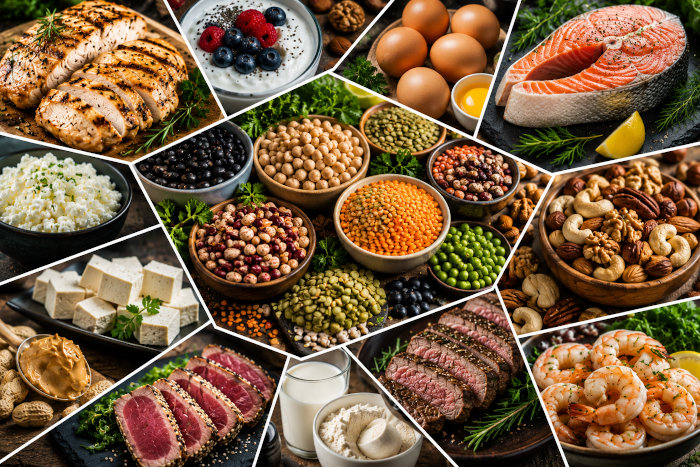
Protein may be the most talked-about nutrient in modern nutrition.
It appears on shakes, bars, cereals, snack packages, restaurant menus, and advertisements promising more muscle, greater energy, faster recovery, and easier weight loss.
But protein is neither a miracle powder nor something needed only by athletes.
Protein is an essential part of every human body. It contributes to muscle, bone, skin, enzymes, hormones, antibodies, blood components, connective tissue, and countless repair and maintenance processes.
As we grow older, getting enough protein—and pairing it with regular muscle use—may become especially important for preserving strength, mobility, recovery, and independence.
Still, practical questions remain:
- How much protein do we really need?
- Do older adults need more?
- Which foods are the best sources?
- Can plant foods provide enough protein?
- Should protein be spread throughout the day?
- Do protein shakes help?
- Can we eat too much?
- How do we increase protein without making every meal revolve around meat?
This Protein Boot Camp is designed to answer those questions and turn protein from a marketing claim into a practical part of healthy eating.
What Is Protein?
Protein is made from smaller building blocks called amino acids.
When protein-containing food is digested, the body breaks much of it down into amino acids and smaller peptides. These can then be absorbed and used to build or repair proteins needed throughout the body.
Proteins contribute to:
- Muscle tissue
- Skin
- Hair and nails
- Bone structure
- Enzymes
- Hormones
- Antibodies
- Transport of nutrients and oxygen
- Fluid balance
- Wound healing
- Cellular repair and replacement
The body is constantly breaking down and rebuilding proteins. Dietary protein supplies materials needed for that ongoing process.
Essential Amino Acids
The body can manufacture some amino acids, but it cannot make all of them in sufficient amounts.
The amino acids that must come from food are called essential amino acids.
A protein food is sometimes called complete when it provides all essential amino acids in adequate proportions.
Many animal foods are complete proteins, including:
- Eggs
- Milk
- Yogurt
- Fish
- Poultry
- Meat
Several plant foods also provide all essential amino acids, including soy foods such as tofu, tempeh, and edamame.
Many other plant foods contain all essential amino acids but provide relatively less of one or more of them. This does not make those foods poor or unusable protein sources.
A varied diet containing beans, lentils, peas, whole grains, nuts, seeds, and other plant foods can provide the essential amino acids the body needs.
Do Plant Proteins Need to Be Combined at Every Meal?
Older nutrition advice often suggested that plant proteins had to be carefully combined during the same meal—for example, beans with rice.
That level of precision is generally unnecessary for most healthy people.
The body maintains a circulating pool of amino acids, and a varied diet can supply complementary amino acids over the course of the day.
Traditional food combinations remain valuable:
- Beans and rice
- Lentils and whole-grain bread
- Peanut butter and whole-grain toast
- Hummus and whole-grain pita
- Bean soup with barley
But they do not need to be treated as a strict chemical formula at every meal.
How Much Protein Do Adults Need?
The standard Recommended Dietary Allowance for most healthy adults is:
0.8 gram of protein per kilogram of body weight per day.
This is approximately:
0.36 gram per pound of body weight per day.
For example, a person weighing 180 pounds is approximately 82 kilograms.
Using the standard adult RDA:
82 kilograms × 0.8 gram = approximately 66 grams of protein per day.
This number is a general reference intended to meet the needs of most healthy adults. It is not a perfect target for every person and should not be interpreted as either an ideal maximum or a universal prescription.
Protein requirements may differ with:
- Age
- Body size
- Physical activity
- Resistance training
- Pregnancy and breastfeeding
- Illness or injury
- Surgery and wound healing
- Calorie restriction
- Muscle loss
- Kidney or liver disease
- Overall energy intake
The Difference Between a Minimum and an Individual Goal
The Recommended Dietary Allowance is designed to cover the basic needs of nearly all healthy people within a population group.
It does not necessarily identify the amount that optimizes muscle gain, athletic performance, recovery, fullness, or healthy aging for every individual.
That distinction is important.
A person should not automatically assume that more protein is always better. But it is also reasonable to ask whether the basic recommendation fully addresses the needs of an older, active adult trying to maintain strength and muscle.
Do Older Adults Need More Protein?
A growing body of research suggests that many healthy older adults may benefit from consuming somewhat more protein than the standard adult RDA.
Commonly discussed research ranges for healthy older adults are approximately:
1.0 to 1.2 grams of protein per kilogram of body weight per day.
Higher amounts may be considered in some situations involving illness, injury, rehabilitation, malnutrition, or substantial physical activity—but these circumstances require more individualized judgment.
For an 180-pound person weighing approximately 82 kilograms:
- 0.8 gram per kilogram: about 66 grams per day
- 1.0 gram per kilogram: about 82 grams per day
- 1.2 grams per kilogram: about 98 grams per day
These examples illustrate how recommendations can differ. They are not instructions that every older adult should eat nearly 100 grams of protein.
Kidney function, medical history, activity, appetite, calorie intake, body composition, and dietary preferences all matter.
Why Aging Changes the Protein Conversation
Adults tend to lose muscle mass and strength as they age, particularly when activity declines.
This age-related loss can contribute to:
- Reduced strength
- Slower walking
- Difficulty climbing stairs
- Reduced balance
- Greater risk of falls
- Slower recovery from illness
- Difficulty performing physical work
- Loss of independence
Older muscle may also respond less strongly to a small protein serving than younger muscle. Researchers sometimes describe this as anabolic resistance.
This does not mean older adults cannot build or maintain muscle. It means that adequate protein, sufficient energy, and resistance exercise may become increasingly important.
Protein Cannot Replace Muscle Use
Protein provides building materials, but the body still needs a reason to maintain or build muscle.
That reason comes largely from using the muscles.
Useful activities may include:
- Weight training
- Resistance bands
- Body-weight exercises
- Carrying appropriate loads
- Climbing stairs
- Physical work
- Gardening
- Hiking
- Other progressively challenging movement
Walking is excellent for cardiovascular health, endurance, mobility, and general activity. However, walking alone may not provide enough resistance to preserve all muscle groups.
The strongest combination is:
Adequate protein plus regular resistance and weight-bearing activity.
Protein without muscle use cannot create the same adaptation as protein combined with training.
Protein Boot Camp Rule One: Start With Food
Protein does not need to begin with a powder or supplement.
Whole and minimally processed foods can provide protein along with other valuable nutrients.
Animal Sources
- Eggs
- Fish
- Chicken
- Turkey
- Lean or minimally processed meat
- Milk
- Plain yogurt
- Cottage cheese
- Other cheeses in suitable portions
Plant Sources
- Beans
- Lentils
- Split peas
- Chickpeas
- Tofu
- Tempeh
- Edamame
- Nuts
- Seeds
- Natural peanut butter
- Whole grains
The best protein pattern can include both plant and animal foods or be entirely plant-based when carefully planned.
Protein Boot Camp Rule Two: Look at the Whole Package
A food should not be judged only by how many grams of protein it contains.
Consider what comes with the protein.
For example:
- Beans provide protein, fiber, minerals, and complex carbohydrates.
- Fish provides protein and may provide beneficial unsaturated fats.
- Plain yogurt can provide protein, calcium, and live cultures.
- Nuts provide protein, fiber, minerals, and unsaturated fats.
- Processed meats may provide protein along with substantial sodium and other ingredients.
- Sweetened protein bars may contain protein along with refined ingredients and added sugar.
Protein quality involves more than amino acids. The nutritional package and the food’s place within the overall diet also matter.
Protein Boot Camp Rule Three: Spread It Across the Day
Many people eat relatively little protein at breakfast, a modest amount at lunch, and most of the day’s protein at dinner.
A typical pattern might look like:
- Breakfast: toast and coffee
- Lunch: a light sandwich
- Dinner: a large serving of meat
Researchers continue to investigate whether distributing protein more evenly across meals may better support muscle maintenance than consuming most of it at one sitting.
A practical pattern could include a meaningful protein source at breakfast, lunch, and dinner.
Breakfast
- Eggs with vegetables
- Plain Greek yogurt with fruit and nuts
- Oatmeal made with milk and topped with seeds
- Cottage cheese with fruit
- Tofu scramble
- Whole-grain toast with peanut butter and yogurt
Lunch
- Lentil soup
- Bean and grain bowl
- Tuna or salmon salad
- Chicken with vegetables
- Hummus with whole-grain bread and vegetables
- Leftover tempeh or tofu stir-fry
Dinner
- Fish with roasted vegetables and potatoes
- Chicken with brown rice and broccoli
- Bean chili
- Lentil stew
- Tofu or tempeh with vegetables
- Egg and vegetable frittata
The exact amount needed at each meal differs among individuals. The larger lesson is not to leave nearly all protein until the end of the day.
The Breakfast Protein Problem
Breakfast is often the meal with the greatest opportunity for improvement.
Common breakfasts such as pastries, sweetened cereal, white toast, or coffee alone may provide little protein.
That can be improved without turning breakfast into an enormous meal.
Simple Upgrades
- Add two eggs.
- Choose Greek-style yogurt.
- Prepare oatmeal with milk instead of water.
- Add peanut butter to whole-grain toast.
- Add nuts and seeds to oatmeal.
- Use cottage cheese with berries.
- Add beans to eggs or a breakfast bowl.
- Blend plain yogurt or milk into a smoothie.
A stronger breakfast may support fullness and make daily protein intake easier to distribute.
Eggs: A Practical Protein Food
Eggs are versatile, affordable, easy to prepare, and useful at any meal.
Preparation Ideas
- Hard-boil several for the week.
- Scramble them with spinach, onions, or peppers.
- Make a vegetable omelet.
- Add a sliced egg to a salad.
- Prepare a vegetable frittata.
- Serve eggs with beans and whole-grain toast.
Eggs can be part of a healthy eating pattern, but the overall meal still matters.
Eggs served with vegetables and whole-grain toast create a different nutritional package than eggs regularly served with large portions of highly processed meat and refined bread.
Fish: Protein With Additional Benefits
Fish provides high-quality protein and can offer nutrients that differ from those found in poultry or red meat.
Fatty fish may also provide omega-3 fatty acids.
Useful Choices
- Salmon
- Sardines
- Trout
- Tuna
- Herring
- Mackerel
- Cod
- Haddock
Easy Preparation
- Bake with herbs and lemon.
- Broil or grill.
- Add canned salmon or tuna to salad.
- Use sardines on whole-grain toast.
- Add fish to soup or a grain bowl.
Canned fish can be convenient and economical. Sodium, mercury considerations, preparation, and individual health needs vary by product and species.
Poultry and Meat
Chicken, turkey, beef, pork, and other meats can provide substantial protein.
The main questions are:
- How was the food processed?
- How much is being eaten?
- How was it cooked?
- What accompanies it?
- How often does it replace beans, fish, or other alternatives?
Useful preparation methods include:
- Baking
- Roasting
- Grilling
- Stewing
- Slow cooking
- Sautéing with vegetables
A modest serving of meat surrounded by vegetables, beans, and whole grains can create a very different meal from an oversized portion with few plant foods.
Processed Meat Is Not the Same as Fresh Meat
Processed meats may include foods preserved through curing, smoking, salting, or the addition of preservatives.
Examples include:
- Bacon
- Sausage
- Hot dogs
- Some deli meats
- Some cured or smoked meats
These foods can contain protein, but they may also be high in sodium, saturated fat, and other ingredients.
They are better viewed as occasional or supporting foods rather than the foundation of a protein strategy.
Yogurt and Cottage Cheese
Dairy foods can provide protein in convenient forms that require little preparation.
Plain Yogurt
- Add berries and walnuts.
- Mix into oatmeal.
- Use as a dip base.
- Blend into a smoothie.
- Use in place of some sour cream.
Cottage Cheese
- Serve with fruit.
- Add tomatoes and black pepper.
- Spread on whole-grain toast.
- Add to eggs.
- Use as a quick snack or light meal component.
Compare labels for added sugar and sodium. People with lactose intolerance, milk allergy, or other dairy restrictions may need alternatives.
Beans and Lentils: Protein Plus Fiber
Beans and lentils deserve a central place in Protein Boot Camp because they connect protein with the lessons from Fiber Boot Camp.
They provide:
- Protein
- Fiber
- Complex carbohydrates
- Vitamins
- Minerals
- Food for parts of the gut microbiome
Useful Choices
- Black beans
- Kidney beans
- Chickpeas
- Pinto beans
- Navy beans
- Great northern beans
- Black-eyed peas
- Brown or green lentils
- Red lentils
- Split peas
Easy Ways to Use Them
- Prepare bean chili.
- Add lentils to soup.
- Mix chickpeas into salad.
- Combine beans with brown rice.
- Blend chickpeas into hummus.
- Make a bean and vegetable stew.
- Add beans to tacos or wraps.
- Replace part of the meat in a recipe with lentils.
For someone unaccustomed to beans, begin with a smaller serving and increase gradually.
Soy Foods: Complete Plant Proteins
Soy foods can provide high-quality plant protein and can be prepared in many ways.
Tofu
- Add cubes to stir-fries.
- Bake after marinating.
- Blend silken tofu into sauces.
- Prepare a tofu scramble.
- Add it to soup.
Tempeh
- Slice and sauté.
- Crumble into chili.
- Marinate and bake.
- Add to grain bowls.
- Use in sandwiches or wraps.
Edamame
- Serve as a snack.
- Add to salad.
- Mix into brown rice or quinoa.
- Add to stir-fries.
Tempeh also connects this article with Fermented Foods Boot Camp. It is fermented during production but is normally cooked before eating.
Nuts and Seeds
Nuts and seeds contribute protein, although they are generally more concentrated in fat and calories than beans, fish, yogurt, or lean meat.
Useful Choices
- Peanuts
- Almonds
- Walnuts
- Pistachios
- Pumpkin seeds
- Sunflower seeds
- Chia seeds
- Flaxseed
- Hemp seeds
Ways to Use Them
- Add nuts to oatmeal.
- Sprinkle seeds over salad.
- Use peanut butter on fruit or whole-grain toast.
- Add pumpkin seeds to a grain bowl.
- Mix seeds into yogurt.
- Add ground flaxseed to oatmeal or smoothies.
Nuts and seeds work especially well as supporting protein sources rather than the only protein in a meal.
Whole Grains Contribute Too
Whole grains are usually discussed for their carbohydrates and fiber, but they also contribute protein.
Examples include:
- Oats
- Quinoa
- Barley
- Whole wheat
- Farro
- Buckwheat
- Brown rice
A bowl containing beans, brown rice, vegetables, and seeds collects protein from several ingredients.
Not every meal needs one large item labeled as “the protein.”
Vegetables Contain Some Protein
Vegetables are not usually concentrated protein sources, but many contribute small amounts.
Examples include:
- Peas
- Broccoli
- Spinach
- Brussels sprouts
- Asparagus
- Potatoes
- Corn
These amounts add to the daily total, especially within a varied plant-rich diet.
However, most people should not rely on low-protein vegetables alone to meet their needs.
What Is a Serving of Protein?
Protein is usually listed in grams, but people eat foods rather than isolated nutrients.
Approximate protein amounts commonly found in familiar servings include:
- One large egg: about 6 grams
- Three ounces of cooked chicken or turkey: roughly 20 to 25 grams
- Three ounces of many cooked fish: roughly 20 grams
- One cup of milk: about 8 grams
- One cup of Greek-style yogurt: often 15 to 20 grams, depending on the product
- One-half cup of cottage cheese: often about 12 to 14 grams
- One-half cup of cooked beans: approximately 7 to 9 grams
- One cup of cooked lentils: approximately 18 grams
- Three ounces of tofu: commonly around 8 grams, depending on firmness
- Three ounces of tempeh: commonly around 15 to 18 grams
- Two tablespoons of peanut butter: about 7 to 8 grams
- One ounce of nuts: commonly 4 to 7 grams
These are useful estimates, not exact guarantees. Products, varieties, preparation methods, and serving sizes differ.
Food labels and reliable nutrient databases can provide more precise information when needed.
The Nutrition Facts Label
Protein is listed in grams on the Nutrition Facts label.
The general Daily Value used for labeling is 50 grams based on a 2,000-calorie diet.
However, protein usually does not display a percentage Daily Value on ordinary adult food labels unless a protein claim is made or the product is intended for certain groups.
Use the grams as a comparison tool, while remembering that individual needs may be higher or lower than 50 grams.
Also examine:
- Serving size
- Added sugar
- Sodium
- Saturated fat
- Fiber
- The ingredient list
A product containing 20 grams of protein is not automatically a healthy food.
Protein and Weight Loss
Protein can contribute to fullness and may help preserve lean tissue during weight loss.
However, adding protein calories to an unchanged diet does not automatically cause fat loss.
A protein shake consumed in addition to normal meals may increase total calorie intake rather than reduce it.
A more useful approach is often to replace a less satisfying or less nutritious food with a protein-rich whole food.
Examples include:
- Replace a pastry breakfast with eggs, oatmeal, and fruit.
- Replace chips with yogurt or hummus and vegetables.
- Replace part of a refined starch serving with beans.
- Replace a sweetened snack bar with fruit and nuts.
Protein supports a weight-management strategy; it does not override total energy intake, sleep, activity, food quality, or appetite patterns.
Protein During Calorie Restriction
When a person loses weight, the body may lose both fat and lean tissue.
Adequate protein and resistance exercise can help reduce the loss of muscle during intentional weight reduction.
This becomes increasingly important with age.
The goal should not simply be to make the scale decrease. It should be to improve body composition while preserving strength, mobility, and function.
Protein and Recovery
Physical work and exercise create a need for repair and adaptation.
A meal containing protein after activity can contribute amino acids needed for recovery.
Practical post-activity choices include:
- Yogurt with fruit
- Eggs with whole-grain toast
- Milk and oatmeal
- Chicken with vegetables and potatoes
- Beans and rice
- A tuna sandwich on whole-grain bread
- Tofu with brown rice and vegetables
- A smoothie containing milk or yogurt and whole fruit
The entire day’s intake matters more than a tiny timing window. There is generally no need to panic if a protein drink is not consumed immediately after the final repetition of an exercise.
Protein Before Bed?
Researchers have studied whether protein consumed before sleep can support overnight muscle protein synthesis, particularly in people performing resistance exercise.
This may be useful in specific training or rehabilitation settings, but it is not a universal requirement.
A person who needs a small evening protein source might choose:
- Plain yogurt
- Cottage cheese
- Milk
- Soy yogurt
- A modest serving of nuts
Sleep comfort, reflux, calorie needs, and individual tolerance should also be considered.
Do We Need Protein Powder?
Protein powder is a convenience product, not a requirement.
It may be useful for someone who:
- Has a limited appetite
- Has difficulty preparing meals
- Needs additional protein during rehabilitation
- Trains intensely
- Has trouble meeting a medically appropriate protein target
- Needs a portable option
Common powders include:
- Whey
- Casein
- Soy
- Pea
- Rice
- Blended plant proteins
A powder should supplement a sound diet rather than displace vegetables, fruit, beans, whole grains, and regular meals.
Choosing a Protein Powder
When considering a powder, examine:
- Protein per serving
- Serving size
- Added sugar
- Sodium
- Artificial sweeteners or sugar alcohols
- Allergens
- Additional vitamins, herbs, or stimulants
- Independent quality testing
- Whether the product fits the intended purpose
More ingredients do not necessarily mean a better product.
Some powders contain large mixtures of herbs, vitamins, stimulants, or performance compounds that the buyer may not need.
A Protein Shake Can Become a Dessert
A basic shake may contain milk or a suitable alternative, protein powder, and whole fruit.
But a shake can quickly become extremely calorie-dense when it includes large amounts of:
- Nut butter
- Oil
- Sweetened yogurt
- Honey
- Syrup
- Ice cream
- Multiple scoops of powder
That may be appropriate for someone who needs extra energy, but it may work against the goals of someone trying to reduce calorie intake.
The purpose of the shake should determine what goes into it.
Protein Bars
Protein bars can be convenient, but they vary widely.
Some are essentially candy bars with added protein.
Compare:
- Protein
- Fiber
- Added sugar
- Saturated fat
- Sodium
- Sugar alcohols
- Total calories
- Ingredient quality
Sugar alcohols and added fibers can cause gas, cramping, or diarrhea in some people.
A bar can be useful during travel or work, but it should not automatically replace real meals every day.
What About Collagen?
Collagen supplements provide protein and certain amino acids, but collagen is not a complete replacement for varied dietary protein.
It is relatively low in some essential amino acids and does not stimulate muscle protein synthesis in the same way as several higher-quality complete proteins.
Collagen products are often marketed for joints, skin, hair, and nails. Research continues, and effects may differ by product and purpose.
Anyone using collagen should still obtain adequate complete and varied protein from food or other suitable sources.
Can We Eat Too Much Protein?
The body does not maintain a dedicated storage warehouse for excess dietary protein.
Amino acids beyond immediate needs can be broken down. Their nitrogen must be processed and excreted, while other components may be used for energy or stored after metabolic conversion.
Very high protein intake may also crowd out:
- Vegetables
- Fruit
- Whole grains
- Beans
- Fiber
- Other nutrients
A diet built around enormous servings of meat and protein products can be high in calories, sodium, or saturated fat while remaining low in fiber.
The goal is adequate protein within a balanced eating pattern—not protein at the expense of everything else.
Protein and Kidney Health
Healthy kidneys process waste products created during normal protein metabolism.
People with normal kidney function may tolerate protein intakes that would not be appropriate for someone with chronic kidney disease.
In certain stages of kidney disease, the amount and type of protein may need to be adjusted. During dialysis or other circumstances, needs can change again.
Anyone with:
- Chronic kidney disease
- Reduced kidney function
- Significant protein in the urine
- A history of kidney complications
- A medically prescribed protein restriction
should not adopt a high-protein diet without individualized guidance.
A general internet calculation cannot replace knowledge of kidney function, laboratory results, medications, and the complete medical picture.
Protein and Liver Disease
Protein needs in liver disease can be complicated.
Older approaches sometimes restricted protein broadly, but modern management depends on the type and stage of liver disease, nutritional status, muscle loss, and other complications.
Someone with significant liver disease should not independently make major protein changes based on a general article.
Protein and Gout
Not all protein foods have the same effect on uric acid or gout risk.
Some meats, organ meats, and certain seafoods are relatively high in purines. Dairy foods and plant proteins may behave differently.
A person with gout does not necessarily need a low-protein diet, but the selection of protein sources, hydration, alcohol intake, medications, and total dietary pattern may matter.
Chewing and Appetite Challenges
Older adults may struggle to obtain enough protein because of:
- Reduced appetite
- Dental problems
- Difficulty chewing
- Dry mouth
- Changes in taste
- Difficulty swallowing
- Fatigue
- Limited mobility
- Medication effects
- Living alone
- Illness or depression
Softer protein options include:
- Yogurt
- Cottage cheese
- Eggs
- Soft fish
- Lentil soup
- Refried or mashed beans
- Tofu
- Nut butter
- Milk or fortified soy milk
- Smoothies prepared for the person’s needs
Unplanned weight loss, worsening weakness, or difficulty swallowing deserves professional evaluation.
Cook Once, Use Protein Several Ways
Protein becomes easier when preparation is planned.
Cook a Batch of Chicken
Use it for:
- Dinner with vegetables
- Lunch salad
- Soup
- A whole-grain wrap
- A grain bowl
Cook a Pot of Beans or Lentils
Use them for:
- Soup
- Chili
- Salad
- Tacos
- A rice bowl
- A bean spread
Prepare Several Eggs
Use them for:
- Breakfast
- A snack
- Salad
- A sandwich
- A quick meal with vegetables
Bake Tofu or Tempeh
Use it for:
- Stir-fries
- Grain bowls
- Salads
- Wraps
- Vegetable dishes
Cooking ingredients in advance reduces dependence on processed convenience foods.
The Protein Pantry
Keep on Hand
- Canned beans
- Dried lentils
- Canned tuna or salmon
- Natural peanut butter
- Nuts and seeds
- Whole grains
- Lower-sodium broth
- Herbs and spices
Keep in the Refrigerator
- Eggs
- Plain yogurt
- Cottage cheese
- Milk or fortified soy milk
- Tofu
- Tempeh
- Cooked beans or lentils
- Prepared poultry or fish
Keep in the Freezer
- Portioned fish
- Chicken or turkey
- Edamame
- Bean chili
- Lentil soup
- Cooked grains
- Prepared leftovers
Protein on a Budget
Protein does not have to come from expensive powders or large steaks.
Economical sources may include:
- Eggs
- Dried beans
- Lentils
- Split peas
- Natural peanut butter
- Canned tuna
- Canned salmon
- Plain yogurt in larger containers
- Milk
- Tofu
- Whole chicken
- Store-brand frozen fish
Combining plant and animal protein sources can stretch both the food budget and the meal.
Examples include:
- Add lentils to a meat sauce.
- Add beans to chicken soup.
- Combine eggs with beans.
- Use a smaller portion of meat with a larger serving of vegetables and whole grains.
A Day of Balanced Protein
Breakfast
- Two eggs with vegetables
- Whole-grain toast
- Fruit
Lunch
- Lentil and vegetable soup
- Plain yogurt
Snack
- An apple with peanut butter
Dinner
- Baked fish, chicken, tofu, or beans
- Roasted vegetables
- Brown rice or potatoes
This distributes protein across the day while also providing fiber, vegetables, fruit, and whole foods.
A Plant-Focused Protein Day
Breakfast
- Oatmeal prepared with fortified soy milk
- Peanut butter and berries
Lunch
- Chickpea and vegetable salad
- Whole-grain bread
Snack
- Edamame or nuts with fruit
Dinner
- Tempeh or tofu stir-fry
- Brown rice
- Mixed vegetables
A plant-based pattern can provide adequate protein, but variety, total intake, vitamin B12, iron, calcium, iodine, vitamin D, omega-3 fats, and other nutrients may require attention—especially in a fully vegan diet.
A Seven-Day Protein Training Plan
Day One: Observe
Notice where protein currently appears in your meals. Is nearly all of it at dinner?
Day Two: Strengthen Breakfast
Add eggs, yogurt, cottage cheese, milk, soy milk, nuts, seeds, or peanut butter.
Day Three: Try Beans or Lentils
Add them to soup, chili, salad, or a grain bowl.
Day Four: Choose Fish or a Plant Protein
Try fish, tofu, tempeh, or edamame.
Day Five: Prepare Ahead
Cook eggs, beans, chicken, tofu, or lentils for several meals.
Day Six: Pair Protein With Produce
Build a meal containing protein, vegetables, and a whole grain or starchy vegetable.
Day Seven: Review
Ask:
- Was protein spread across the day?
- Which foods were easiest to prepare?
- Which meals kept me satisfied?
- Did protein replace vegetables or fiber?
- Do I rely too heavily on processed products?
- Which changes can become regular habits?
The Protein Ladder
Someone eating too little protein does not need to overhaul every meal immediately.
Step One
Add a meaningful protein source to breakfast.
Step Two
Include beans, lentils, eggs, yogurt, fish, poultry, tofu, or tempeh at lunch.
Step Three
Distribute protein more evenly rather than saving most for dinner.
Step Four
Replace some processed protein foods with whole or minimally processed choices.
Step Five
Pair adequate protein with regular resistance exercise.
Step Six
Adjust intake based on age, activity, recovery, health, appetite, and qualified guidance.
The Protein Boot Camp Challenge
During the next week, try five actions:
- Add a protein source to breakfast.
- Eat beans or lentils at least twice.
- Choose fish, tofu, or tempeh for one meal.
- Prepare one protein food in advance.
- Perform an appropriate muscle-strengthening activity.
At the end of the week, consider:
- Did meals feel more satisfying?
- Was recovery from activity improved?
- Did I depend on powders or bars unnecessarily?
- Did I eat enough vegetables and fiber?
- Which protein sources were affordable?
- Which breakfast was easiest?
- Which habits could continue?
Do Not Let Protein Become the Entire Diet
The current focus on protein can make every other nutrient seem secondary.
But healthy eating also requires:
- Fiber
- Vitamins
- Minerals
- Healthy fats
- Carbohydrates
- Water
- A varied collection of plant compounds
A plate containing only meat may contain plenty of protein but very little fiber.
A balanced meal might contain:
- A protein food
- Several vegetables
- A whole grain or starchy vegetable
- A suitable source of healthy fat
Protein is essential, but it works within a larger nutritional system.
Final Thought
Protein is not merely a bodybuilding nutrient.
It helps maintain the tissues, enzymes, immune components, and repair systems that make life possible. With age, adequate protein becomes increasingly relevant to muscle, recovery, strength, mobility, and independence.
But the answer is not to chase the highest number printed on a package.
The better approach is to:
- Understand personal needs
- Choose varied protein sources
- Spread protein across the day
- Favor whole and minimally processed foods
- Include both plant and animal options when desired
- Pair protein with vegetables, fiber, and healthy carbohydrates
- Use the muscles regularly
Protein provides the building materials, but movement tells the body what to build and what to preserve.
A strong protein pattern can begin simply:
Eggs or yogurt at breakfast. Lentil soup at lunch. Fish, chicken, beans, tofu, or tempeh at dinner. Nuts, seeds, vegetables, whole grains, and fruit filling out the day.
Repeated consistently, those ordinary foods can support something extraordinary: the strength and independence to continue living an active life.
This article is intended for general education and is not a substitute for individualized medical or nutritional care. Protein requirements can differ substantially with age, body size, activity, pregnancy, illness, injury, calorie restriction, kidney or liver function, and other health factors. People with kidney disease, liver disease, gout, swallowing difficulties, significant unplanned weight loss, or medically prescribed dietary restrictions should seek individualized guidance before making major protein changes or using concentrated protein supplements.

Exploring Health, Longevity, and Better Living
Zehr.ws