044 Tea Boot Camp
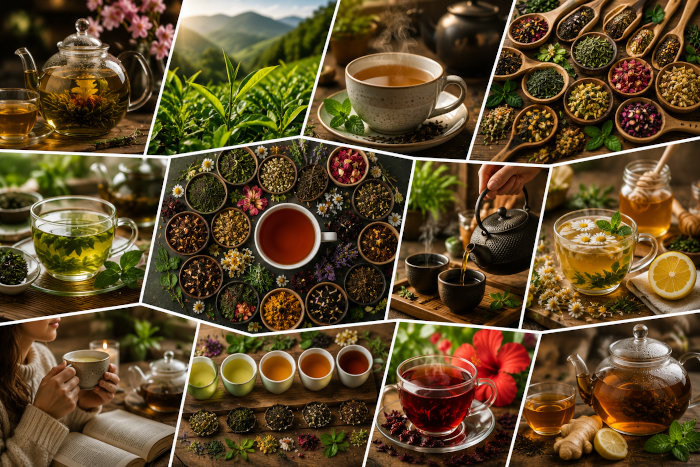
The Owner's Manual for the Human Body – Boot Camp Series
More Than a Drink—A Daily Ritual for Better Living
Tea can be warming or refreshing, energizing or calming, simple or surprisingly complex.
For thousands of years, people around the world have gathered around cups of tea. Some drink it for flavor. Others enjoy the gentle lift of caffeine, the soothing warmth, the quiet ritual, or the plant compounds naturally found in tea leaves and herbs.
Tea will not cure every health problem, melt away weight, or replace good nutrition. However, an unsweetened cup can be a flavorful way to drink more fluids, consume a wider variety of plants, and create a moment of calm in an otherwise busy day.
A healthy tea habit may be less about finding one magical variety and more about discovering several teas you genuinely enjoy.
What Is Tea?
True tea comes from the leaves of one plant:
Camellia sinensis
Green tea, black tea, white tea, and oolong tea all come from this same plant. Their differences are largely created by how the leaves are harvested, handled, oxidized, dried, and prepared.
Many drinks commonly called herbal teas do not come from the tea plant at all. They are technically herbal infusions, sometimes called tisanes, made by steeping flowers, leaves, roots, bark, fruit, seeds, or spices in water.
Both true teas and herbal infusions can have a useful place in a healthy kitchen.
What Makes Tea Interesting?
True tea naturally contains a mixture of compounds that may include:
- Polyphenols
- Flavonoids
- Catechins
- Theaflavins
- Caffeine
- L-theanine
- Aromatic plant compounds
These compounds have been studied for possible relationships with cardiovascular health, metabolism, mental alertness, antioxidant activity, and healthy aging.
The evidence is not strong enough to treat tea as medicine, and results vary by the type of tea, preparation method, amount consumed, and health of the individual.
One benefit is much simpler: replacing a sugary beverage with unsweetened tea can reduce added sugar while still providing plenty of flavor.
Green Tea
Green tea leaves are heated relatively soon after harvesting, which limits oxidation and helps preserve their green color and fresh flavor.
Green tea contains catechins, including a compound often referred to as EGCG. These natural plant compounds have received considerable research attention.
Green tea has been studied for possible roles involving:
- Cardiovascular health
- Healthy cholesterol levels
- Blood vessel function
- Metabolic health
- Mental alertness
- Antioxidant protection
However, green tea should not be viewed as a proven treatment for cancer, heart disease, or weight loss. The effects observed in studies are generally more modest than promotional claims may suggest.
Flavor: Fresh, grassy, vegetal, lightly sweet, or mildly bitter.
Try it: Plain, with lemon, chilled over ice, or blended with mint or ginger.
How to Brew Green Tea
Green tea can become bitter when prepared with water that is too hot or when steeped too long.
- Use hot water below a full boil.
- Steep for approximately one to three minutes.
- Taste it early and adjust the time.
- Remove the leaves or tea bag when the flavor is right.
A gentler brewing temperature often produces a smoother and less bitter cup.
Black Tea
Black tea is made from tea leaves that undergo greater oxidation than green tea. This creates its darker color and stronger flavor.
Black tea contains compounds known as theaflavins and thearubigins, along with other polyphenols.
Research has explored black tea in relation to:
- Heart and blood vessel health
- Healthy blood pressure
- Mental alertness
- Antioxidant activity
- Metabolic health
Flavor: Bold, malty, earthy, fruity, smoky, or slightly astringent.
Popular black teas include:
- English Breakfast
- Irish Breakfast
- Assam
- Darjeeling
- Ceylon
- Earl Grey
Earl Grey is generally black tea flavored with bergamot, a fragrant citrus fruit.
How to Brew Black Tea
- Use very hot or freshly boiled water.
- Steep for approximately three to five minutes.
- Use a shorter steep for a smoother cup.
- Use a longer steep for greater strength, but expect more bitterness.
Black tea can be enjoyed plain, with lemon, with a small amount of milk, or chilled as iced tea.
White Tea
White tea is typically made from young leaves and buds that receive relatively little processing.
It often has a delicate flavor and lighter color, although its caffeine content is not always lower than other teas. Caffeine levels depend on the plant variety, leaf age, serving size, water temperature, and brewing time.
Flavor: Light, floral, slightly sweet, soft, or fruity.
White tea is a good choice for people who find stronger teas too bitter or overpowering.
How to Brew White Tea
- Use hot water below a full boil.
- Steep for approximately three to five minutes.
- Adjust according to the variety and your taste.
Oolong Tea
Oolong falls somewhere between green tea and black tea in its degree of oxidation.
This broad category can include teas that are light and floral as well as teas that are dark, roasted, and rich.
Flavor: Floral, creamy, fruity, toasted, nutty, or roasted.
Oolong can be an excellent choice for someone who wants more depth than green tea but less boldness than many black teas.
How to Brew Oolong
- Use hot water, with the exact temperature depending on the tea.
- Steep for approximately two to five minutes.
- Many loose-leaf oolongs can be steeped more than once.
Successive steepings may reveal different flavors from the same leaves.
Pu-erh and Other Fermented Teas
Pu-erh is a tea traditionally produced in China that undergoes microbial fermentation and aging after its initial processing.
Flavor: Earthy, deep, mellow, woody, or sometimes slightly sweet.
Pu-erh is often promoted with dramatic claims involving cholesterol, digestion, detoxification, or weight loss. Research remains limited, and it should be enjoyed as a beverage rather than treated as a cure.
Its unusual fermentation and flavor make it an interesting tea for people who enjoy exploring traditional foods and drinks.
Matcha
Matcha is a finely ground powder made from specially grown and processed green tea leaves.
Unlike ordinary brewed tea, where the leaves are removed, matcha is whisked into water and consumed as part of the drink.
This means matcha can provide a more concentrated serving of tea compounds—and often more caffeine—than a lightly brewed cup of green tea.
Flavor: Grassy, rich, savory, slightly bitter, and sometimes creamy.
How to Prepare Matcha
- Place a small amount of matcha powder in a cup or bowl.
- Add hot water below a full boil.
- Whisk until blended and slightly frothy.
- Adjust the amount of powder to suit your taste and caffeine tolerance.
Matcha is sometimes added to milk drinks, smoothies, yogurt, or oatmeal. Be aware that café-style matcha drinks may contain considerable added sugar.
Herbal Teas
Herbal teas can be made from many different plant parts. Because they do not necessarily come from the tea plant, their flavors, caffeine levels, compounds, and safety considerations vary widely.
Most common herbal teas are naturally caffeine-free unless they are blended with true tea, yerba mate, guayusa, or another caffeinated ingredient.
Peppermint Tea
Peppermint tea has a cooling flavor and is commonly enjoyed after meals.
It may feel soothing to the digestive system, although it can worsen heartburn or reflux in some people by relaxing the muscle between the esophagus and stomach.
Flavor: Cool, fresh, bright, and slightly sweet.
Ginger Tea
Ginger tea can be made from fresh ginger, dried ginger, or prepared tea bags.
Ginger has been studied for nausea and digestive discomfort. A warm cup can also be an enjoyable way to consume ginger without adding it to a meal.
Simple preparation:
- Slice fresh ginger thinly.
- Add it to hot water.
- Steep for five to ten minutes.
- Add lemon if desired.
Chamomile Tea
Chamomile is traditionally associated with relaxation and bedtime routines.
Some preliminary research has examined chamomile for anxiety, sleep, and digestive symptoms, but evidence for many promoted benefits remains limited.
People with allergies to ragweed, chrysanthemums, marigolds, or related plants may also react to chamomile.
Chamomile may interact with certain medications, including blood-thinning medicines.
Flavor: Floral, gentle, lightly sweet, and apple-like.
Hibiscus Tea
Hibiscus produces a bright red tea with a tart, fruity flavor.
Research has explored hibiscus in relation to blood pressure and cardiovascular health. It should not replace prescribed blood-pressure treatment, and people taking related medication should be mindful of possible additive effects.
Flavor: Tart, fruity, cranberry-like, and refreshing.
Hibiscus is excellent served cold and may provide a satisfying alternative to sweetened fruit drinks.
Rooibos Tea
Rooibos comes from a South African plant and is naturally caffeine-free.
It has a smooth flavor and reddish color. Rooibos contains several plant compounds, but evidence for specific health effects in people remains limited.
Flavor: Mild, earthy, slightly sweet, and sometimes nutty.
Rooibos can be a good evening alternative for someone who enjoys black tea but wants to avoid caffeine.
Lemon Balm Tea
Lemon balm belongs to the mint family and has a soft citrus aroma.
It has traditionally been used for relaxation and digestive comfort. Research is still developing, and concentrated lemon balm products may act differently than an ordinary cup of tea.
Turmeric Tea
Turmeric tea is often made by steeping turmeric with ginger, cinnamon, black pepper, or lemon.
Turmeric contains curcumin and other natural compounds, but the amount absorbed from a typical cup can vary considerably.
Turmeric tea can still be a warming and flavorful drink even without treating it as medicine.
Cinnamon Tea
Cinnamon sticks can be gently simmered or steeped in hot water to create a fragrant drink.
Cinnamon tea can taste naturally sweet and may help reduce the desire for added sugar.
Large or highly concentrated amounts of some types of cinnamon are not appropriate for everyone, particularly people with liver problems or those taking certain medications. Normal culinary use is different from concentrated supplementation.
Fennel Tea
Fennel seed tea has a mild licorice-like flavor and is traditionally consumed after meals.
It is commonly used for digestive comfort, although strong medical claims are not well established.
Lavender Tea
Lavender adds a strong floral aroma and is sometimes included in relaxation blends.
A small amount is usually enough. Too much can create a flavor that tastes more like perfume than tea.
Yerba Mate and Guayusa
Yerba mate and guayusa are herbal infusions from South America, but unlike most herbal teas, they naturally contain caffeine.
They may provide alertness similar to tea or coffee, depending on how they are prepared and how much is consumed.
They should be counted toward total daily caffeine intake.
How Much Caffeine Is in Tea?
The amount of caffeine in tea varies considerably.
It is affected by:
- The type and variety of tea
- The amount of leaf used
- The size and age of the leaves
- Water temperature
- Steeping time
- Serving size
- Whether the tea is powdered, as with matcha
As a general pattern, a cup of brewed tea often contains less caffeine than the same-sized cup of coffee, but there are many exceptions.
Black tea commonly contains more caffeine than a lightly brewed green tea, but the name or color of a tea alone cannot reliably predict its caffeine level.
Know Your Own Caffeine Response
Caffeine affects people differently.
Too much may cause:
- Difficulty sleeping
- Nervousness
- Restlessness
- Rapid heartbeat
- Headache
- Digestive discomfort
- Increased urination
For most healthy adults, total caffeine intake of up to approximately 400 milligrams per day is not generally associated with negative effects. However, some people experience sleep problems, palpitations, anxiety, or stomach irritation at much lower amounts.
Pregnancy, certain medical conditions, medications, age, body size, and individual metabolism can all change how much caffeine is appropriate.
Tea and Sleep
A cup of tea may feel relaxing, but caffeinated tea consumed late in the day can still interfere with sleep.
Caffeine can remain active in the body for hours. Someone who falls asleep easily may still experience lighter or less restorative sleep after consuming caffeine in the afternoon or evening.
For evening drinking, consider:
- Rooibos
- Peppermint
- Chamomile
- Lemon balm
- Ginger
- Caffeine-free fruit or spice blends
Always check the ingredient label. Some products marketed as calming teas contain green tea or another caffeinated ingredient.
Does Decaffeinated Tea Contain Caffeine?
Decaffeinated tea usually contains much less caffeine than regular tea, but it is not always completely caffeine-free.
People who must strictly avoid caffeine should look for products labeled caffeine-free and verify that the blend contains only naturally caffeine-free ingredients.
Tea and Hydration
Tea contributes to daily fluid intake.
Although caffeine can have a mild diuretic effect, ordinary servings of tea still provide water and can support hydration for most people accustomed to caffeine.
Unsweetened hot or iced tea can be especially useful for people who find plain water unappealing.
Tea does not need to replace water. It can simply be one part of a varied hydration routine.
Tea and Added Sugar
Tea itself may contain few or no calories, but tea drinks can become very different once sugar, syrup, sweetened creamers, whipped toppings, or large amounts of honey are added.
Bottled sweet tea, bubble tea, restaurant iced tea, and café tea drinks may contain substantial added sugar.
To reduce sweetness gradually, try:
- Using less sugar each week
- Adding lemon, lime, orange peel, or berries
- Using cinnamon or vanilla for the impression of sweetness
- Blending sweetened tea with unsweetened tea
- Brewing a naturally fruity herbal tea
- Chilling tea before deciding whether it needs sweetener
Tea can be an excellent replacement for soda, but only when it does not become another heavily sweetened drink.
Loose-Leaf Tea or Tea Bags?
Both can make a healthy cup of tea.
Tea bags offer:
- Convenience
- Consistent portions
- Easy cleanup
- Simple preparation at work or while traveling
Loose-leaf tea may offer:
- Larger and less broken leaves
- More room for the leaves to expand
- Greater control over strength
- A wider range of flavors and varieties
- The ability to steep some teas multiple times
The best choice is the one you will prepare and enjoy regularly.
The Basic Tea-Brewing Formula
A great cup of tea depends on four basic variables:
- Tea quantity
- Water temperature
- Steeping time
- Water quality
There is no single perfect formula for every tea, but a useful starting point is approximately one tea bag or one teaspoon of loose tea per cup of water.
If the tea is weak, use more tea rather than automatically steeping it much longer. Excessively long steeping can pull out more bitterness and astringency.
Making Better Iced Tea
Iced tea can be prepared by brewing tea hot and cooling it or by steeping it in cold water.
Hot-Brewed Iced Tea
- Brew the tea slightly stronger than usual.
- Remove the leaves or bags.
- Allow it to cool.
- Refrigerate promptly.
- Serve over ice.
Cold-Brewed Tea
- Add tea to cold water.
- Place it in the refrigerator.
- Steep for several hours or overnight.
- Remove the tea before serving.
Cold brewing often produces a smoother, less bitter flavor.
Keep brewed tea refrigerated and prepare it with clean containers and utensils.
Can Tea Affect Iron Absorption?
Polyphenols in tea can reduce the absorption of non-heme iron, the form found primarily in plant foods and supplements.
This may matter more for people with iron deficiency, low iron stores, or diets that depend heavily on plant-based iron.
Helpful strategies may include:
- Drinking tea between meals instead of with meals
- Allowing time between tea and an iron supplement
- Eating vitamin C-rich foods with plant sources of iron
- Following individualized medical advice when treating iron deficiency
Most people do not need to avoid tea entirely, but timing may be worth considering.
Tea Is Not the Same as Tea Extract
A brewed cup of tea is very different from a concentrated extract sold as a dietary supplement.
Green tea extracts may contain far larger amounts of catechins and other compounds than an ordinary beverage. Some concentrated green tea products have been associated with liver injury and may interact with medications.
Do not assume that a concentrated capsule is safer or more beneficial simply because tea is a familiar beverage.
Food and drink amounts are not automatically equivalent to supplement doses.
Herbal Tea Safety
Plants can have real biological effects. Natural does not always mean harmless.
Some herbs may:
- Interact with medications
- Affect blood pressure
- Influence blood sugar
- Alter blood clotting
- Cause allergic reactions
- Worsen reflux or digestive symptoms
- Be inappropriate during pregnancy
- Affect the liver or kidneys in concentrated amounts
Read ingredient labels carefully, especially on blends marketed for detoxification, weight loss, sleep, energy, immunity, or cleansing.
People who are pregnant or breastfeeding, take prescription medications, have liver or kidney disease, are preparing for surgery, or are managing a significant medical condition should discuss regular use of medicinal herbal blends with a qualified healthcare professional.
Be Cautious with “Detox” Teas
The body already has highly developed systems involving the liver, kidneys, lungs, digestive tract, skin, and circulation that continually process and eliminate waste.
Some products labeled detox or slimming tea contain stimulant herbs or laxative ingredients. These may cause diarrhea, cramping, dehydration, electrolyte disturbances, medication interactions, or dependence on laxatives.
A tea does not need to produce dramatic physical effects to be worthwhile.
A simple cup of green tea, black tea, rooibos, peppermint, or ginger may be a much better everyday choice than an aggressively marketed cleanse.
Create a Tea Station
Healthy habits become easier when the needed supplies are visible and convenient.
A simple tea station might include:
- An electric kettle or teakettle
- A favorite mug
- A tea infuser
- Green tea
- Black or oolong tea
- One caffeine-free evening tea
- Fresh ginger
- Lemon
- Cinnamon sticks
You do not need dozens of varieties. Begin with a few teas that serve different purposes.
Build a Simple Daily Tea Routine
Morning: Black tea, green tea, oolong, or matcha for flavor and alertness.
Afternoon: Green tea, white tea, mint tea, or iced hibiscus tea.
After a meal: Ginger, peppermint, fennel, or a lightly brewed traditional tea.
Evening: Rooibos, chamomile, lemon balm, or another caffeine-free blend.
The routine can change with the season. Warm tea may feel comforting during cold weather, while cold-brewed tea can be refreshing after outdoor work or exercise.
Make Tea a Moment, Not Just a Beverage
One of tea's most overlooked benefits may be the pause required to prepare it.
Water must be heated. Leaves must steep. The cup must cool enough to drink.
Those few minutes can become a small recovery ritual:
- Step away from the computer.
- Take several slow breaths.
- Notice the aroma.
- Drink without rushing.
- Allow the mind to settle.
The tea itself may contain interesting plant compounds, but the habit surrounding the tea can also contribute to better living.
One More Thought...
A cup of tea is a small thing.
But small things repeated daily can become meaningful.
A morning cup may replace a sugary drink. An afternoon tea may encourage better hydration. An evening herbal blend may signal that the workday is ending. Sharing tea may create time for conversation that otherwise would not happen.
Tea does not need exaggerated promises to be valuable.
It can simply be warm, flavorful, calming, refreshing, and enjoyable—another small plant-based habit that helps make healthier living feel less like a punishment and more like a life worth savoring.
Tea Boot Camp Challenge
This week:
- Try one true tea you have never tasted before.
- Try one caffeine-free herbal tea.
- Drink at least one cup without added sugar.
- Experiment with a shorter steeping time if your tea tastes bitter.
- Prepare one pitcher of unsweetened iced tea.
- Check the ingredients in any tea blend marketed for detox or weight loss.
- Notice how afternoon caffeine affects your sleep.
- Create one quiet tea break without a phone, television, or computer.
One leaf. One cup. One pause in the day.
Sometimes that is enough to begin a very healthy ritual.
This article is for general educational purposes and is not a substitute for personalized medical advice. Tea, caffeine, herbs, extracts, and supplements may affect individuals differently and may interact with medications or medical conditions.

Exploring Health, Longevity, and Better Living
Zehr.ws