047 Gut Health Boot Camp
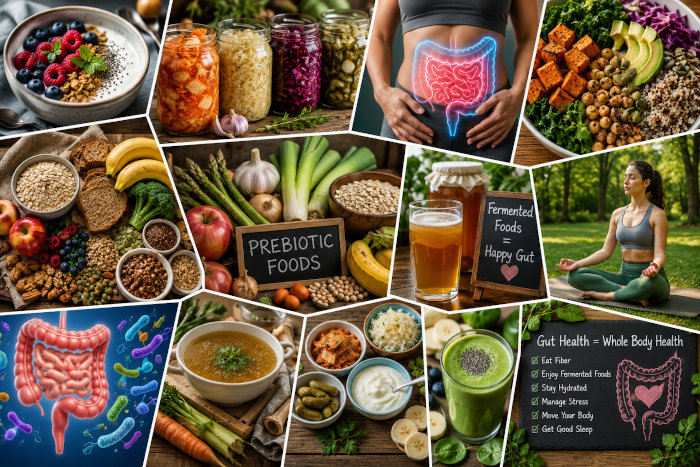
The Owner's Manual for the Human Body – Boot Camp Series
Feed the System That Helps Feed You
Gut health has become one of the most popular subjects in modern wellness.
Advertisements promise to reset the microbiome, repair the gut, eliminate toxins, cure bloating, strengthen immunity, improve mood, and transform health with one capsule, powder, cleanse, or specially branded food.
The real story is both more complicated and more interesting.
Your digestive system is not simply a hollow tube through which food passes. It is a coordinated biological system involving the mouth, esophagus, stomach, small intestine, large intestine, liver, gallbladder, pancreas, nerves, hormones, blood vessels, immune tissues, muscles, and trillions of microorganisms.
Every meal becomes part of that system.
Food must be broken apart. Nutrients must be absorbed. Water must be recovered. Waste must be moved. Potentially harmful organisms must be controlled. Useful microorganisms must be tolerated. The intestinal lining must allow nutrients through while helping keep unwanted material out.
Gut health is therefore not one thing.
It includes:
- Digestion
- Nutrient absorption
- Regular bowel movements
- A functioning intestinal barrier
- A diverse microbial ecosystem
- Normal immune activity
- Communication with the nervous system
- Comfort after eating
- The ability to tolerate a varied diet
No single food can guarantee all of this.
But daily habits can help create an environment in which the digestive system is more likely to function well.
Gut health is not built by one miracle food. It is shaped by the pattern of what repeatedly enters—and happens around—the digestive system.
What Does the Digestive System Do?
Digestion begins before food reaches the stomach.
The sight, smell, and expectation of food can activate digestive responses. Chewing breaks food into smaller pieces and mixes it with saliva. Swallowing moves it through the esophagus and into the stomach.
The stomach combines food with acid and digestive enzymes while muscles mix the contents.
The small intestine receives additional digestive substances from the pancreas, liver, and gallbladder. Most nutrients are absorbed through its lining and enter the blood or lymphatic circulation.
The large intestine receives material that remains. It absorbs water and electrolytes while gut microorganisms act on some of the carbohydrates and other substances that human digestive enzymes could not completely break down.
The remaining material eventually becomes stool and leaves the body.
This process depends on movement, timing, secretions, nerves, microbes, immune regulation, and the physical condition of the digestive tract.
Meet the Gut Microbiome
The gut microbiome is the community of microorganisms and their genetic material living within the digestive tract.
It includes:
- Bacteria
- Viruses
- Fungi
- Archaea
- Other microscopic organisms
The largest and most densely populated communities are found in the large intestine.
These microorganisms do not merely sit there. They interact with food, intestinal cells, immune signals, and one another.
Some gut microbes can:
- Ferment certain fibers and resistant starches
- Produce short-chain fatty acids
- Help make or modify certain vitamins
- Transform bile acids
- Compete with potentially harmful organisms
- Interact with the immune system
- Influence the chemical environment of the colon
- Produce compounds that may signal elsewhere in the body
Microbiome science is rapidly developing, but we should be careful not to interpret every association as proof of cause and effect.
A certain microbial pattern may accompany a disease without being its sole cause. A treatment that changes bacteria in a laboratory animal may not produce the same benefit in a person. Two healthy people can also have noticeably different microbial communities.
Is There One Perfect Microbiome?
No universal list of ideal microbes applies to every healthy person.
The microbiome differs with:
- Age
- Genetics
- Diet
- Geography
- Medications
- Past infections
- Pregnancy and birth history
- Early feeding
- Pets and environmental exposures
- Activity
- Sleep
- Stress
- Medical conditions
Even the same person's microbiome can change with travel, illness, dietary changes, antibiotics, bowel preparation, and aging.
Researchers often discuss diversity, stability, resilience, and microbial function. But a microbiome test cannot yet provide a complete nutritional instruction manual for most people.
A commercially reported abundance of one organism does not necessarily prove that it should be increased, eliminated, or treated.
Think Ecosystem, Not Good Bugs Versus Bad Bugs
The gut is often described as a battle between good and bad bacteria.
That description is easy to understand but overly simple.
A microorganism may be harmless or useful in one location and troublesome in another. Its effects can depend on abundance, neighboring organisms, available food, immune function, medications, and the health of the intestinal lining.
A forest is not healthy because it contains one perfect tree. It is healthy because many organisms interact within a functioning environment.
The same general idea can help us understand the gut.
Rather than chasing one supposedly perfect bacterial strain, it may be more useful to support the entire ecosystem with varied plant foods, adequate fiber, appropriate hydration, movement, sleep, and sensible medical care.
Fiber: One of the Gut's Most Important Inputs
Fiber is the portion of plant food that human digestive enzymes do not completely break down and absorb in the small intestine.
Different fibers have different structures and effects.
Some help retain water and soften stool. Some add bulk. Some form gels. Some slow digestion. Some are readily fermented by gut microorganisms, while others are fermented only slightly.
Fiber-rich foods include:
- Beans
- Lentils
- Chickpeas
- Vegetables
- Fruit
- Whole grains
- Nuts
- Seeds
- Herbs
- Some resistant starch-rich foods
Gut microorganisms can ferment certain fibers and produce compounds known as short-chain fatty acids.
Short-Chain Fatty Acids
Important short-chain fatty acids include:
- Acetate
- Propionate
- Butyrate
These compounds are not identical and may be produced in different amounts depending on the microbes and fermentable material present.
Butyrate is especially interesting because cells lining the colon can use it as an energy source.
Short-chain fatty acids may also help influence:
- The chemical environment of the colon
- Intestinal barrier function
- Immune signaling
- Inflammatory pathways
- Glucose and lipid metabolism
- Communication between gut microbes and human cells
This does not mean that every fiber produces the same compounds or that taking one isolated fiber will recreate the effects of a varied plant-based diet.
Soluble and Insoluble Fiber
Soluble Fiber
Soluble fiber can dissolve or swell in water. Some types form a gel, and many can be fermented by intestinal microorganisms.
Sources include:
- Oats
- Barley
- Beans
- Lentils
- Apples
- Citrus fruit
- Carrots
- Psyllium
- Chia seeds
- Ground flaxseed
Soluble fiber can support stool consistency, healthy cholesterol levels, and slower absorption of carbohydrate from some meals.
Insoluble Fiber
Insoluble fiber does not dissolve readily in water and can help add physical bulk to stool.
Sources include:
- Wheat bran
- Whole grains
- Many vegetable skins
- Nuts
- Seeds
- Leafy vegetables
The soluble-versus-insoluble division is useful, but real foods usually contain mixtures of different fibers rather than only one type.
Increase Fiber Gradually
Going from a low-fiber diet to a very high-fiber diet overnight can cause:
- Gas
- Bloating
- Cramping
- Changes in stool frequency
- A feeling of excessive fullness
This does not always mean fiber is harmful. It may mean the amount increased too quickly, fluid intake was inadequate, or a particular fiber is poorly tolerated.
A gentler approach is to:
- Add one fiber-rich food at a time.
- Increase portions gradually.
- Drink adequate fluids.
- Cook vegetables or legumes more thoroughly when needed.
- Observe individual responses.
- Vary fiber sources instead of depending on one supplement.
People with certain digestive disorders, strictures, gastroparesis, active intestinal inflammation, or recent gastrointestinal surgery may need individualized fiber recommendations.
Prebiotics
A prebiotic is a substance that is selectively used by microorganisms and provides a health benefit to the host.
Not every fiber is technically a prebiotic, although many prebiotics are forms of dietary fiber.
Foods containing potentially useful fermentable carbohydrates include:
- Onions
- Garlic
- Leeks
- Asparagus
- Beans
- Lentils
- Oats
- Barley
- Bananas
- Apples
- Jerusalem artichokes
- Chicory root
These foods do not affect every person identically.
Some are rich in fermentable carbohydrates that can produce significant gas or symptoms in people with irritable bowel syndrome or other sensitivities.
More fermentation is not automatically better when it causes substantial pain or disrupts daily life.
Probiotics
Probiotics are live microorganisms intended to provide a health benefit when consumed in adequate amounts.
They may be found in:
- Some yogurts
- Some fermented milks
- Some fermented foods
- Capsules
- Powders
- Specialized medical or dietary products
The word probiotic does not mean that every microorganism in every fermented product has been proven to provide a health benefit.
Probiotic effects can be:
- Strain-specific
- Dose-specific
- Condition-specific
- Temporary
- Different from person to person
A product containing one strain should not be assumed to produce the same effects as another strain from the same bacterial species.
Do Probiotics Permanently Colonize the Gut?
Many probiotic organisms do not permanently move into the digestive tract.
They may pass through, interact with the existing ecosystem, and then decline after supplementation ends.
That does not necessarily mean they had no effect. A visitor can influence an environment without becoming a permanent resident.
But it does mean that phrases such as “repopulate your gut” may oversimplify what is happening.
Are Probiotic Supplements Necessary?
Not for everyone.
Some probiotics may help in specific circumstances, but the evidence is not equally strong for every condition, strain, product, or person.
Research has explored probiotics for:
- Some forms of antibiotic-associated diarrhea
- Some symptoms of irritable bowel syndrome
- Certain diarrheal illnesses
- Some inflammatory bowel conditions
- Selected situations involving premature infants
- Other digestive and immune-related conditions
Results are mixed, and product quality can vary.
Someone choosing a probiotic should look for the full strain information—not merely a large number of colony-forming units or a long list of species.
More strains and a larger number are not automatically better.
Probiotic Safety
Probiotic products are often well tolerated by healthy adults, but they are not risk-free for everyone.
Extra caution is appropriate for:
- Premature infants
- People with severely weakened immune systems
- People who are critically ill
- People with central venous catheters
- People with serious intestinal disease
- People recovering from major surgery
Rare bloodstream or systemic infections have occurred in vulnerable individuals.
People in high-risk groups should not assume that an over-the-counter probiotic is harmless simply because it is described as natural.
Fermented Foods
Fermented foods are created when microorganisms transform components of food.
Examples include:
- Yogurt
- Kefir
- Sauerkraut
- Kimchi
- Tempeh
- Miso
- Traditional fermented pickles
- Some cheeses
- Kombucha
Fermentation may:
- Change flavor and texture
- Extend storage life
- Reduce or transform some food components
- Create organic acids and aroma compounds
- Improve digestibility for some people
- Introduce live microorganisms when they remain alive at consumption
Not all fermented foods contain live microbes by the time they are eaten.
Heat treatment, baking, pasteurization, filtration, storage, or processing may reduce or eliminate them.
A fermented food can still be nutritious even when it no longer contains living organisms.
Fermented Does Not Automatically Mean Probiotic
For a food to be accurately called probiotic, particular microorganisms must have demonstrated a health benefit at an appropriate amount.
Many naturally fermented foods contain changing communities of microorganisms that have not been studied as standardized probiotic strains.
That does not make them unhelpful. It simply means the scientific wording matters.
Fermented foods can contribute flavor, variety, and useful nutrients without requiring us to promise a specific medical effect.
Synbiotics and Postbiotics
Synbiotics
Synbiotics combine live microorganisms with a substrate intended to support beneficial microbial activity.
This is often described as combining a probiotic with a prebiotic, although formal definitions are more precise than simply placing any probiotic and fiber in the same product.
Postbiotics
Postbiotics are preparations of inanimate microorganisms, their components, or related substances that provide a health benefit.
The concept is important because live organisms are not always necessary for a biological effect.
However, postbiotic research is still developing, and the word should not become another vague marketing label placed on any dead bacterial product.
Plant Diversity
Different plant foods contain different fibers, starches, polyphenols, and other compounds.
Eating a wider variety can provide a wider variety of substrates to intestinal microorganisms.
Plant diversity can come from:
- Vegetables
- Fruit
- Beans and lentils
- Whole grains
- Nuts
- Seeds
- Herbs
- Spices
Variety does not require an exotic or expensive diet.
A week containing oats, beans, apples, carrots, cabbage, onions, garlic, potatoes, berries, walnuts, flaxseed, broccoli, herbs, and whole-grain bread already provides many different plant materials.
A Practical Plant-Diversity Challenge
Rather than pursuing a perfect number, begin by adding plants you do not usually eat.
For example:
- Add berries to oatmeal.
- Add beans to soup.
- Mix two vegetables instead of serving one.
- Use several herbs in a meal.
- Rotate oats, barley, brown rice, and other whole grains.
- Add nuts or seeds to yogurt.
- Try lentils in a familiar recipe.
- Use onions, garlic, carrots, and celery as a soup base.
Increasing diversity gradually may be more comfortable and sustainable than radically changing the entire diet at once.
Polyphenols and the Microbiome
Polyphenols are plant compounds found in foods such as:
- Berries
- Tea
- Coffee
- Cocoa
- Herbs
- Spices
- Olives
- Apples
- Grapes
- Nuts
- Colorful vegetables
Some polyphenols are absorbed in the small intestine, while others reach the colon, where microorganisms may transform them into new compounds.
At the same time, polyphenols may influence the growth or activity of certain microbes.
This creates a two-way relationship: microbes transform food compounds, and food compounds help shape microbial activity.
Resistant Starch
Resistant starch escapes digestion in the small intestine and reaches the large intestine, where it can be fermented by microorganisms.
Sources may include:
- Beans
- Lentils
- Green bananas
- Oats
- Barley
- Some cooked and cooled potatoes
- Some cooked and cooled rice
- Some cooked and cooled pasta
Cooling certain cooked starches can allow part of the starch to reorganize into a form that resists digestion more strongly.
Reheating does not necessarily eliminate all of this resistant starch.
This does not transform potatoes or rice into calorie-free foods. It simply changes the digestibility of part of the starch.
Chewing Matters
Chewing is mechanical digestion.
It breaks food into smaller particles, increases the surface area available to digestive enzymes, and mixes food with saliva.
Eating more slowly can also provide time to notice fullness and may reduce swallowed air for some people.
Helpful practices include:
- Take smaller bites.
- Chew thoroughly rather than rushing.
- Put utensils down periodically.
- Reduce distractions during at least part of the meal.
- Notice when comfortable fullness begins.
Chewing will not solve every digestive disorder, but it is the first digestive action under our direct control.
Hydration and the Gut
Water supports digestion, circulation, and stool consistency.
The large intestine absorbs water from its contents. When stool moves slowly or fluid intake is inadequate, stool may become harder and more difficult to pass.
Hydration needs vary with:
- Body size
- Temperature
- Activity
- Sweating
- Diet
- Illness
- Medications
- Kidney and heart function
Water, milk, tea, coffee, soups, fruits, and vegetables can all contribute fluid.
Increasing fiber substantially without adequate fluid can worsen discomfort or constipation in some people.
Movement and Bowel Function
Physical activity affects more than muscles and cardiovascular health.
Movement may support normal intestinal motility and help some people with constipation.
Useful forms of movement include:
- Walking
- Strength training
- Cycling
- Gardening
- Swimming
- Active work
- Mobility exercises
A short walk after a meal can also support blood-glucose regulation and provide a physical and mental transition after eating.
Sleep and the Gut
Sleep and digestive health influence one another.
Poor sleep can affect appetite, food choices, stress signaling, glucose regulation, and immune activity. Digestive symptoms can also interrupt sleep.
Irregular sleep schedules may be accompanied by changes in meal timing and daily behavior that influence the microbiome.
Supporting sleep may include:
- Maintaining a regular schedule
- Reducing late caffeine
- Avoiding very large meals immediately before bed
- Managing reflux triggers
- Creating a quiet evening routine
- Addressing persistent pain, diarrhea, or nighttime symptoms medically
Stress and the Gut-Brain Connection
The brain and digestive system communicate through nerves, hormones, immune signals, microbial metabolites, and circulation.
This relationship is sometimes called the gut-brain axis.
Stress can change:
- Gut movement
- Sensitivity to intestinal stretching
- Appetite
- Digestive secretions
- Food choices
- Sleep
- Perception of pain
This does not mean digestive symptoms are imaginary or “all in your head.”
The nervous system can change real muscular activity, sensitivity, secretion, and immune signaling in the digestive tract.
Helpful practices may include:
- Slow breathing
- Walking outdoors
- Regular exercise
- Relaxation routines
- Time with supportive people
- Mindfulness
- Counseling or gut-directed psychological therapies when appropriate
- A calm period around meals
The Gut and the Immune System
The digestive tract has constant contact with food molecules, microorganisms, and substances from the outside world.
Its immune system must make difficult distinctions.
It needs to tolerate food and many resident organisms while remaining prepared to respond to harmful pathogens.
The intestinal lining, mucus, immune cells, antimicrobial compounds, and microbiome all participate in this defense.
It is reasonable to say the gut and immune system are closely connected.
It is not reasonable to claim that one food or supplement can simply “boost” this complex system in a universally beneficial direction.
Immune regulation matters as much as immune strength. An immune response that is too weak can be harmful, but so can one that is misdirected or excessive.
The Intestinal Barrier
The intestinal lining is only one cell layer thick in many areas, but it is supported by mucus, immune activity, cell junctions, blood flow, and rapid cellular renewal.
Its job is selective:
- Allow nutrients and appropriate molecules to cross
- Limit entry of pathogens and unwanted substances
- Communicate with immune cells and microorganisms
Researchers study changes in intestinal permeability in celiac disease, inflammatory bowel disease, infections, critical illness, and other conditions.
However, the popular phrase leaky gut is often used so broadly that nearly any symptom becomes evidence of the same vaguely defined problem.
People with persistent symptoms deserve an appropriate diagnosis rather than automatically being sold supplements for an assumed barrier defect.
Antibiotics and the Microbiome
Antibiotics can save lives and are essential treatments for appropriate bacterial infections.
They can also affect bacteria beyond the organism causing the infection, including members of the gut microbiome.
Possible consequences include:
- Diarrhea
- Temporary shifts in microbial communities
- Selection of antibiotic-resistant organisms
- Increased vulnerability to certain infections
- Digestive symptoms during or after treatment
This does not mean antibiotics should be avoided when medically necessary.
It means they should be used appropriately:
- Use antibiotics only when prescribed for a reasonable indication.
- Follow the dosing instructions.
- Do not use leftover antibiotics.
- Do not share them.
- Do not demand antibiotics for viral illnesses.
- Contact the prescriber when significant diarrhea or other reactions occur.
Should Everyone Take a Probiotic with Antibiotics?
Some probiotic strains or combinations may reduce antibiotic-associated diarrhea in particular populations.
However, the benefit depends on the organism, product, timing, patient, and antibiotic situation.
Not every probiotic has been shown to work, and some people should avoid probiotic supplements without medical guidance.
Someone taking antibiotics can ask:
- Is a probiotic appropriate for me?
- Which specific strain or product has evidence?
- When should it be taken relative to the antibiotic?
- Do my medical conditions create additional risk?
Other Medications Can Affect Digestion
Digestive symptoms can be influenced by many medications and supplements.
Examples may include:
- Opioid pain medicines
- Iron supplements
- Magnesium products
- Metformin
- Some antibiotics
- Some antacids and acid-suppressing medications
- Some antidepressants
- Some blood-pressure medicines
- Anti-inflammatory pain relievers
- Weight-loss medications
- Laxatives
Do not stop a prescribed medication because of a suspected microbiome effect.
Discuss persistent symptoms with the prescriber or pharmacist, who may be able to adjust the dose, timing, preparation, or treatment.
Acid-Suppressing Medications
Stomach acid helps digest food and provides a barrier against many swallowed microorganisms.
Acid-suppressing medicines can be extremely useful for appropriate conditions, including severe reflux, ulcers, bleeding risk, and other medical needs.
Long-term use should still have a continuing reason and periodic review.
People should not abruptly stop long-term acid suppression without guidance, because symptoms may rebound and the original condition may still require treatment.
Constipation
Constipation may involve:
- Infrequent bowel movements
- Hard or dry stool
- Straining
- A feeling of incomplete emptying
- Difficulty passing stool
Possible contributors include:
- Low fiber intake
- Inadequate fluids
- Low activity
- Ignoring the urge to go
- Medications
- Pelvic-floor problems
- Hormonal or neurologic conditions
- Changes in routine
- Digestive diseases
Basic Constipation Support
- Increase fiber gradually when appropriate.
- Drink adequate fluids.
- Move regularly.
- Respond to the body's urge.
- Create a consistent time and unhurried bathroom routine.
- Review medications and supplements.
- Use a footstool when helpful to improve position.
Severe, new, persistent, or painful constipation should not automatically be treated with increasing amounts of fiber.
Diarrhea
Diarrhea can be caused by:
- Infections
- Medications
- Food intolerances
- Inflammatory bowel disease
- Irritable bowel syndrome
- Malabsorption
- Excessive sugar alcohols
- Large amounts of magnesium
- Other medical conditions
The immediate concern with significant diarrhea is often fluid and electrolyte loss.
Seek medical guidance for severe diarrhea, dehydration, high fever, substantial pain, blood or black stool, symptoms after antibiotics, or persistent diarrhea.
Gas Is Normal—Until It Is Not
Gas can result from swallowed air and from microbial fermentation in the intestine.
Common gas-producing foods include:
- Beans
- Lentils
- Onions
- Garlic
- Cabbage
- Broccoli
- Cauliflower
- Milk in people with lactose malabsorption
- Certain fruits
- Carbonated drinks
- Sugar alcohols
Producing some gas does not mean a food is unhealthy.
It may indicate that microorganisms are fermenting material that reached the colon.
However, persistent severe bloating, pain, vomiting, weight loss, diarrhea, constipation, or inability to pass gas deserves evaluation.
Making Beans Easier to Tolerate
Beans are rich in fiber, protein, minerals, and fermentable carbohydrates.
To improve tolerance:
- Begin with small portions.
- Eat them regularly rather than rarely consuming a very large amount.
- Soak dried beans and discard the soaking water when appropriate.
- Cook beans until fully tender.
- Drain and rinse canned beans.
- Try lentils or smaller beans.
- Increase amounts gradually.
- Chew thoroughly.
Microbial adaptation may improve tolerance over time for some people.
Food Intolerance Is Not the Same as Food Allergy
A food allergy involves the immune system and may cause:
- Hives
- Swelling
- Wheezing
- Vomiting
- Low blood pressure
- Anaphylaxis
A food intolerance may involve difficulty digesting or processing a food and more commonly causes symptoms such as gas, bloating, cramping, or diarrhea.
Lactose intolerance is one example. It occurs when insufficient lactase enzyme reaches the small intestine to digest lactose effectively.
Someone with lactose intolerance may still tolerate:
- Small portions
- Yogurt with active cultures
- Hard cheeses
- Lactose-free milk
- Lactase enzyme products
A true milk allergy is different and may require strict avoidance.
Gluten and Gut Health
Gluten is a group of proteins found in wheat, barley, and rye.
People with celiac disease must avoid gluten because it triggers an immune reaction that damages the small intestine.
Others may have wheat allergy or non-celiac sensitivity.
But eliminating gluten without a clear reason does not automatically improve the microbiome or gut health.
Whole-grain wheat, barley, and rye can supply fiber and other nutrients for people who tolerate them.
Anyone who suspects celiac disease should seek testing before beginning a strict gluten-free diet, because removing gluten can make diagnosis more difficult.
The Low-FODMAP Diet
FODMAPs are certain fermentable carbohydrates that may be poorly absorbed or rapidly fermented.
They can contribute to gas, bloating, pain, and altered bowel habits in some people with irritable bowel syndrome.
A low-FODMAP approach is not intended to be a permanent, universally healthy diet.
It generally involves:
- A temporary restriction phase
- Systematic reintroduction
- Personalization based on tolerance
Remaining highly restrictive for too long may reduce dietary variety and unnecessarily remove nutritious foods.
The process is best guided by a dietitian or qualified clinician familiar with digestive disorders.
Elimination Diets Can Create Problems
When symptoms are frustrating, removing many foods can feel like progress.
But broad elimination diets may lead to:
- Nutrient deficiencies
- Low fiber intake
- Reduced plant diversity
- Food anxiety
- Unnecessary expense
- Social isolation
- Difficulty identifying the true trigger
Remove foods strategically rather than endlessly.
A useful elimination trial should have:
- A clear reason
- A defined time period
- A symptom record
- A reintroduction plan
- Professional guidance when the restriction is substantial
Ultra-Processed Foods
Ultra-processed foods are often low in intact fiber and easy to eat rapidly in large quantities.
Many are high in refined starch, added sugar, salt, or fat while offering limited plant diversity.
This does not mean every food that comes in a package harms the gut.
Frozen vegetables, canned beans, plain yogurt, oats, whole-grain bread, and canned fish are processed to some degree and can be valuable foods.
The important distinction is the overall pattern.
A diet dominated by highly refined products leaves less room for the varied plant material that supports bowel function and microbial fermentation.
Artificial Sweeteners and Sugar Alcohols
Researchers continue to study how non-sugar sweeteners affect appetite, metabolism, and gut microorganisms.
Different sweeteners may have different effects, and human responses vary.
Sugar alcohols such as sorbitol, mannitol, maltitol, and xylitol may draw water into the intestine or be fermented by microbes.
In larger amounts, they can cause:
- Gas
- Bloating
- Cramping
- Loose stool
- Diarrhea
Someone experiencing unexplained digestive symptoms should check labels on sugar-free candy, gum, protein bars, drinks, and supplements.
Alcohol and the Gut
Alcohol can irritate the digestive tract, affect motility, worsen reflux, alter sleep, and influence food choices.
Heavy or repeated intake may affect the intestinal lining, liver, pancreas, immune activity, and microbial environment.
People do not need to begin drinking for gut health, and fermented alcoholic beverages should not be confused with probiotic therapy.
Smoking and Vaping
Smoking affects much more than the lungs.
It is associated with digestive cancers, ulcers, reflux, and changes in inflammatory digestive diseases.
Vaping aerosols also expose the body to chemicals that should not be assumed harmless to digestive or immune health.
Removing tobacco exposure is far more important than adding an expensive microbiome supplement.
Oral Health and the Gut
The digestive tract begins in the mouth.
Chewing, saliva, teeth, gums, and oral microorganisms are part of the larger digestive story.
Every day, microorganisms and their products are swallowed from the mouth.
Good oral care includes:
- Regular brushing
- Cleaning between teeth
- Dental examinations
- Addressing gum disease
- Managing dry mouth
- Limiting constant exposure to sweetened drinks
Gut health should not begin with a capsule while ignoring the first section of the digestive tract.
Bowel Movements: What Is Normal?
Normal bowel frequency varies.
Some healthy people have several bowel movements per day. Others may have one every day or two.
More useful questions include:
- Is the pattern normal for you?
- Is the stool comfortable to pass?
- Has there been a persistent change?
- Is there blood, black stool, severe pain, or unexplained weight loss?
- Do you regularly feel incomplete emptying?
- Are symptoms interfering with daily life?
Daily bowel movements are not required for every healthy person, and missing one day does not mean toxins are accumulating.
Do We Need a Daily “Cleanse”?
No special tea, juice, powder, or laxative is required to remove ordinary waste from a normally functioning digestive system.
The digestive tract, liver, kidneys, lungs, skin, circulation, and immune system continuously process substances and eliminate waste.
Products marketed as cleanses may cause bowel movements because they contain:
- Stimulant laxatives
- Large amounts of magnesium
- High doses of certain herbs
- Concentrated sugars
- Ingredients that draw water into the intestine
Producing diarrhea is not proof that toxins were removed.
Repeated cleanses can cause dehydration, electrolyte imbalance, medication interactions, and laxative dependence.
Colon Cleansing and Enemas
Colon cleansing is medically appropriate before certain procedures, but that is different from routine wellness cleansing.
Unnecessary enemas or colon irrigation can cause:
- Cramping
- Bleeding
- Infection
- Electrolyte problems
- Injury or perforation
- Disruption of normal bowel habits
The colon does not need to be washed regularly to remain healthy.
Microbiome Testing
Commercial stool tests may identify microbial DNA and compare the results with a reference database.
These tests can be interesting, but their practical meaning is limited.
A sample represents:
- One moment in time
- Mostly organisms or material leaving in stool
- Not necessarily microbes attached to the intestinal lining
- A community influenced by recent food, medications, and bowel transit
Two companies may analyze or interpret the same general findings differently.
Commercial recommendations may exceed what current evidence can support.
Clinical stool testing ordered for infection, inflammation, bleeding, malabsorption, or other medical questions is different from a general wellness microbiome report.
Fecal Microbiota Transplantation
Fecal microbiota transplantation transfers processed stool-derived material from a screened donor into a patient's gastrointestinal tract.
It has an important medical role in selected cases of recurrent Clostridioides difficile infection.
Researchers are studying it for other conditions, but it is not a general wellness treatment.
It carries risks, including transmission of infectious organisms, and should never be attempted at home.
Gut Health and Body Weight
Microbiome patterns have been associated with obesity, insulin resistance, and metabolic health.
However, the relationship is complex.
Diet, medications, activity, genetics, sleep, food intake, and body composition can influence both metabolism and the microbiome.
It is premature to claim that one bacterial supplement can reliably cause meaningful long-term weight loss.
The most dependable approach remains a sustainable dietary pattern, appropriate portions, regular movement, adequate protein, sleep, stress management, and medical care when needed.
Gut Health and Mental Health
Microbes can produce or influence compounds that communicate with nerves, immune cells, and other tissues.
Researchers are investigating connections involving:
- Mood
- Anxiety
- Stress responses
- Sleep
- Cognition
- Neurologic disease
This research is exciting, but a microbiome supplement should not replace appropriate mental-health treatment.
Depression and anxiety are not proof that someone has the wrong gut bacteria.
Food, sleep, exercise, social connection, counseling, medication, medical conditions, and life circumstances may all matter.
Gut Health and Skin
Researchers also study relationships between the gut, immune system, and skin conditions.
Associations have been explored in eczema, acne, psoriasis, and other inflammatory disorders.
But the phrase gut-skin axis should not be used to promise that a restrictive diet or probiotic will cure every skin problem.
Persistent or severe skin disease deserves appropriate dermatologic evaluation.
Gut Health and Autoimmune Disease
The microbiome and intestinal barrier are being studied in many autoimmune and inflammatory diseases.
Changes in microbial communities may influence immune signaling, but autoimmune diseases do not have one single dietary cause.
Someone with suspected celiac disease, inflammatory bowel disease, rheumatoid disease, thyroid disease, or another autoimmune condition should seek diagnosis rather than relying on generalized gut-healing programs.
When Digestive Symptoms Need Attention
Seek medical care for symptoms such as:
- Blood in the stool
- Black, tar-like stool
- Persistent vomiting
- Difficulty swallowing
- Food becoming stuck
- Unexplained weight loss
- Severe or worsening abdominal pain
- Persistent fever
- Yellowing of the skin or eyes
- Persistent diarrhea
- New and significant constipation
- Diarrhea after antibiotics
- Repeated nighttime symptoms
- Iron-deficiency anemia
- Dehydration
- A swollen abdomen with vomiting or inability to pass stool or gas
- A lasting change in bowel habits
New digestive symptoms should be considered in the context of age, family history, medications, travel, food exposure, surgeries, and other health conditions.
Do Not Normalize Constant Suffering
Occasional gas, bloating, heartburn, constipation, or loose stool can happen to almost anyone.
But symptoms that regularly control where you go, what you eat, whether you sleep, or how you live deserve investigation.
There may be a treatable cause.
A person should not have to remove nearly every food from the diet without receiving a thoughtful medical evaluation.
The Gut-Healthy Kitchen
A gut-supportive kitchen does not require shelves of specialized products.
Useful foods include:
Beans and Legumes
- Black beans
- Kidney beans
- Chickpeas
- Lentils
- Split peas
Whole Grains
- Oats
- Barley
- Brown rice
- Whole wheat
- Rye
- Quinoa
- Buckwheat
Vegetables
- Leafy greens
- Carrots
- Broccoli
- Cabbage
- Onions
- Garlic
- Squash
- Peppers
- Mushrooms
Fruit
- Apples
- Berries
- Pears
- Citrus
- Bananas
- Plums
- Kiwi
Nuts and Seeds
- Walnuts
- Almonds
- Chia seeds
- Flaxseed
- Pumpkin seeds
- Sunflower seeds
Fermented Foods
- Plain yogurt
- Kefir
- Sauerkraut
- Kimchi
- Tempeh
- Miso
Flavor Builders
- Herbs
- Spices
- Olive oil
- Lemon
- Vinegar
- Ginger
- Garlic
A Gut-Healthy Breakfast
A useful breakfast may combine fiber, protein, and plant diversity.
Oatmeal Bowl
- Oats
- Berries
- Plain yogurt or milk
- Walnuts
- Ground flaxseed
- Cinnamon
This provides whole grain, fruit, seeds, nuts, and optional fermented dairy in one meal.
Egg and Vegetable Breakfast
- Eggs
- Spinach
- Onions
- Mushrooms
- Whole-grain toast
- Fruit
A Gut-Healthy Lunch
Bean and Grain Bowl
- Beans or lentils
- Brown rice, barley, or quinoa
- Several vegetables
- Leafy greens
- Olive oil and lemon dressing
- Herbs
- A spoonful of fermented vegetables if desired
Soup and Salad
- Bean or lentil soup
- Mixed salad
- Whole-grain bread
- Fruit
A Gut-Healthy Dinner
Begin with several plant foods, then add protein and flavor.
Example
- Roasted salmon, chicken, tofu, or beans
- Broccoli and carrots
- Potatoes with their skins or a whole grain
- Garlic, herbs, and olive oil
- Plain yogurt sauce or fermented vegetables
The meal does not need to be vegetarian to support gut health. The important question is whether plants and fiber are regular, substantial parts of the pattern.
Gut-Friendly Snacks
- Apple and walnuts
- Plain yogurt and berries
- Carrots and hummus
- Banana with peanut butter
- Oatmeal with cinnamon
- Roasted chickpeas
- Pear and pumpkin seeds
- Whole-grain toast with avocado
What About Bone Broth?
Bone broth can be a warm and enjoyable food containing water, flavor, and varying amounts of protein and minerals.
But claims that it seals the gut, reverses intestinal permeability, or cures digestive disease are not well established.
It may be included as a soup base or beverage without treating it as a medical therapy.
What About Collagen?
Collagen supplements are digested into amino acids and small peptides.
The body may use those building blocks in many tissues, but swallowed collagen does not travel directly to a damaged section of intestine and patch it like construction material.
Adequate total protein, vitamin C, zinc, energy intake, and overall nutrition all contribute to tissue maintenance.
What About Glutamine?
Glutamine is an amino acid used by many cells, including some intestinal and immune cells.
It may have medical uses in selected clinical settings, but routine high-dose supplementation has not been established as necessary for everyone seeking better gut health.
People with significant medical conditions should discuss concentrated amino-acid supplementation with a qualified professional.
What About Digestive Enzymes?
The body naturally produces enzymes that digest proteins, fats, carbohydrates, and other food components.
Digestive enzyme products may be medically useful when a person lacks a particular enzyme or has pancreatic insufficiency.
Examples include:
- Lactase for lactose intolerance
- Prescription pancreatic enzymes for pancreatic insufficiency
- Specific enzymes used for certain fermentable carbohydrates
General enzyme blends are not required by every healthy person and may not address the true cause of persistent symptoms.
What About Stomach Acid Supplements?
Some wellness programs recommend hydrochloric acid or betaine HCl for nonspecific digestive symptoms.
These products can irritate or injure the digestive tract and may be unsafe with ulcers, reflux, anti-inflammatory drugs, and other conditions.
Do not diagnose low stomach acid based only on bloating or indigestion.
A Seven-Day Gut Health Reset—Without a Cleanse
A true reset does not require fasting, laxatives, juice-only diets, or expensive powders.
It can simply mean returning to supportive habits.
Day One: Add Water and Regular Meals
Drink adequate fluids and avoid allowing the day to become a cycle of extreme hunger and overeating.
Day Two: Add One Fiber-Rich Breakfast
Try oats, fruit, nuts, seeds, or whole-grain toast.
Day Three: Add Beans or Lentils
Begin with a comfortable portion.
Day Four: Add Several Vegetable Colors
Use fresh, frozen, or canned vegetables.
Day Five: Try a Fermented Food
Choose plain yogurt, kefir, sauerkraut, kimchi, tempeh, or another appropriate food.
Day Six: Take a Walk and Protect Sleep
Notice how movement, meal timing, and rest affect digestion.
Day Seven: Review Symptoms and Patterns
Ask what helped, what caused discomfort, and what can be continued gradually.
A Simple Daily Gut Health Framework
Morning: Water, a fiber-containing meal if hungry, and unhurried bathroom time.
Midday: Vegetables, protein, a whole grain or legumes, and a brief walk when possible.
Evening: A varied meal without excessive rushing, followed by time for digestion before bed.
Throughout the day: Adequate fluids, regular movement, stress management, and attention to symptoms.
The Gut Health Grocery List
Choose Several
- Oats
- Beans
- Lentils
- Brown rice
- Barley
- Whole-grain bread
- Potatoes
- Frozen vegetables
- Fresh vegetables
- Fruit
- Nuts
- Seeds
- Plain yogurt or kefir
- Fermented vegetables
- Herbs and spices
- Olive oil
Useful Backups
- Canned beans
- Canned lentil soup
- Frozen berries
- Frozen broccoli
- Whole-grain crackers
- Nut butter
- Canned fish
- Low-sodium broth
Common Gut Health Mistakes
Changing Everything at Once
Rapidly increasing fiber, fermented food, supplements, and exercise makes it difficult to determine what helped or caused symptoms.
Assuming More Fiber Is Always Better
The type, amount, speed of increase, and medical context all matter.
Buying a Probiotic Without Identifying the Goal
A product should be chosen for a specific reason rather than because the label contains many billions of bacteria.
Removing Too Many Foods
Restriction can reduce nutrition and microbial diversity while increasing fear around eating.
Ignoring Sleep and Stress
Digestive health is influenced by the whole person, not only the contents of the refrigerator.
Using Laxative Teas as a Routine
A forced bowel movement is not proof of improved gut health.
Treating Every Symptom as “Dysbiosis”
Bloating, diarrhea, constipation, pain, and fatigue can have many causes that deserve proper evaluation.
Expecting One Food to Repair Years of Habits
Yogurt, sauerkraut, fiber powder, or bone broth cannot compensate for an otherwise consistently poor pattern.
How to Evaluate a Gut Health Claim
Ask:
- Was the research performed in people, animals, cells, or test tubes?
- Was the product identical to the one being sold?
- Was a specific probiotic strain studied?
- How many people were included?
- Was the study long enough to measure a meaningful result?
- Did it measure symptoms or only changes in bacteria?
- Were adverse effects reported?
- Is the claim larger than the evidence?
- Is the person making the claim also selling the solution?
A microbiome change is not automatically a health improvement.
The outcome should matter to the person: less pain, more regular bowel movements, improved nutritional status, reduced disease risk, or better quality of life.
Keep a Digestive Pattern Journal
A short record may reveal useful patterns.
Track:
- Meals and major ingredients
- Approximate meal times
- Fiber increases
- Fluid intake
- Medications and supplements
- Bowel movements
- Pain or bloating
- Sleep
- Stress
- Physical activity
A journal should help discover patterns—not become an endless source of anxiety.
Bring useful observations to a medical professional when symptoms persist.
One More Thought...
We often think of food as something we eat only for ourselves.
But every meal also delivers material to the living community inside the digestive tract.
When we eat beans, oats, vegetables, fruit, nuts, seeds, herbs, and whole grains, some of their components travel farther than our own enzymes can reach.
Microorganisms receive that material and transform it.
In return, they may create compounds our cells can use, help influence the intestinal environment, and participate in a biological conversation that science is only beginning to understand fully.
This does not mean we must micromanage every organism.
We may never know all their names.
We can still care for the environment they inhabit.
We can provide varied plant foods. We can avoid unnecessary antibiotics. We can move, sleep, hydrate, chew, and pay attention to symptoms. We can enjoy fermented foods without expecting miracles. We can use probiotics for specific purposes rather than as a substitute for the foundations.
Gut health is not about achieving a perfectly clean intestine or collecting the largest possible number of bacteria.
It is about supporting a resilient digestive system capable of processing food, absorbing nutrients, moving waste, interacting with microorganisms, and adapting to the changes of ordinary life.
Do not try to control every microbe. Build the kind of environment in which a healthy ecosystem has a chance to grow.
Gut Health Boot Camp Challenge
This week:
- Add one fiber-rich food you do not eat regularly.
- Increase fiber gradually rather than dramatically.
- Include beans or lentils in at least two meals.
- Eat several different plant colors.
- Try one fermented food if it is appropriate for you.
- Drink adequate fluids.
- Take a walk or perform another form of movement each day.
- Chew one meal more slowly and without rushing.
- Check product labels for sugar alcohols if you experience unexplained gas or diarrhea.
- Review whether any medication or supplement may be affecting digestion.
- Avoid detox teas, unnecessary cleanses, and extreme elimination diets.
- Notice how sleep and stress influence your symptoms.
- Seek medical help for persistent symptoms or warning signs.
Feed yourself well—and remember that part of every plant-rich meal continues feeding a hidden ecosystem long after you put down the fork.
This article is for general educational purposes and is not a substitute for personalized medical or nutritional care. Digestive symptoms can have many causes. People with persistent symptoms, significant medical conditions, weakened immune systems, gastrointestinal surgery, pregnancy, or specialized dietary needs should consult a qualified healthcare professional before beginning restrictive diets, concentrated supplements, or probiotic products.

Exploring Health, Longevity, and Better Living
Zehr.ws